


It’s been a hell of a year for memoirs, with Lena Dunham’s Famesick and Belle Burden’s Strangers monopolizing bestsellers lists and group chats, and spawning a deluge of spin-off content that has only kept us coming back for more. A different type of “true” story, set to be released Aug. 25, is already threatening to loosen their chokehold on the cultural conversation.
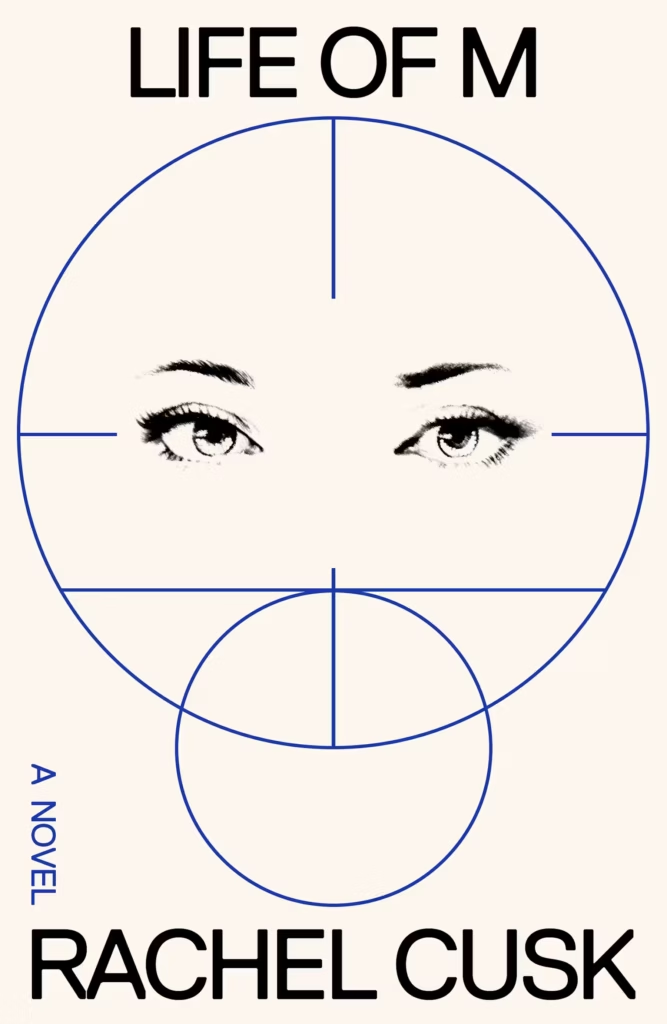
Cult author Rachel Cusk’s upcoming novel, Life of M, reminds us just how slippery fiction can be as a designation, as the book is suspected to be a portrait of Natalie Portman. And an unflattering portrait, at that.
Life of M centers around an actor, M, whose life is being chronicled by a close, unnamed writer friend. These details alone might not be enough to assign the novel roman à clef status. But, compounding similarities between M and Portman are a bit too copious to ignore, as was first reported by Unherd journalist Valerie Stivers.
Cusk is known for her brutally honest autofictional characters, and writes M as an untouchable Hollywood figurehead donning a relatable façade that masks a self-righteous core that leaves loved ones feeling ugly in her well-coiffed shadow. (Yikes.) While the Black Swan and Jackie star is yet to respond to the claims, the controversies around roman à clefs past may provide some insight into the possible fallout once the novel is published.
So, if you’re looking for your next biographical read—one where fiction might be just as strange as the truth—we compiled a list of the 10 best novels that ended up being based on real people, and the scandals they inevitably unleashed.
The Bell Jar by Sylvia Plath (1963)
The novel’s protagonist, Esther Greenwood, is a mirror-image of Plath herself—and The Bell Jar’s cast of characters closely resemble other key figures in her life. Esther’s patron, novelist Philomena Guinea, who funds her scholarship to university, is a thinly veiled disguise for Plath’s own benefactor, Olive Higgins Prouty. Her personal psychiatrist also served as a basis for Esther’s Dr. Nolan. Esther and Plath’s parallel time at Mademoiselle magazine ruffled the most feathers, with many of the fictional interns based on Plath’s coworkers (including novelist Diane Johnson). According to a 2006 interview with author Joanne Greenburg, Plath included such vicious detail about the interns that “they could never look at each other again.”
Valley of the Dolls by Jacqueline Susann (1966)
Pills! Booze! Sex! Judy Garland? One of the best-selling entertainment narratives of all time, the pop-culture phenom about three friends navigating ’50s Hollywood takes direct inspiration from the era’s biggest starlets. Valley of the Dolls’ Neely O’Hara, an actor struggling with addiction and self-sabotage to her burgeoning career, was rumored to be based on Garland. The Broadway diva Helen Lawsom also drew parallels to Ethel Merman, and Jennifer North was inspired by either Marilyn Monroe, Carol Landis, or Susann herself. Garland, who was originally (and ironically) cast in the novel’s film adaptation as Helen, was fired from the project due to her erratic behavior and drug usage, yet held strong that the book’s details were inconsistent with her life.

Heartburn by Nora Ephron (1983)
Nora Ephron essentially created the blueprint for divorce autofiction. Her 1983 novel is a biting, comedic, hyper-personal novel about the disastrous end of her marriage to Carl Bernstein. The couple’s messy, ultra-public divorce, after Bernstein was caught in an affair while Ephron was pregnant with their second child (the drama!), was fuel for the Sleepless in Seattle filmmaker’s only novel. The book was adapted into a screenplay in 1986 by Ephron and Mike Nichols, and, needless to say, Bernstein was not happy about his portrayal, claiming the film was a “tasteless exploitation” of the former couple’s life.
Postcards from the Edge by Carrie Fisher (1987)
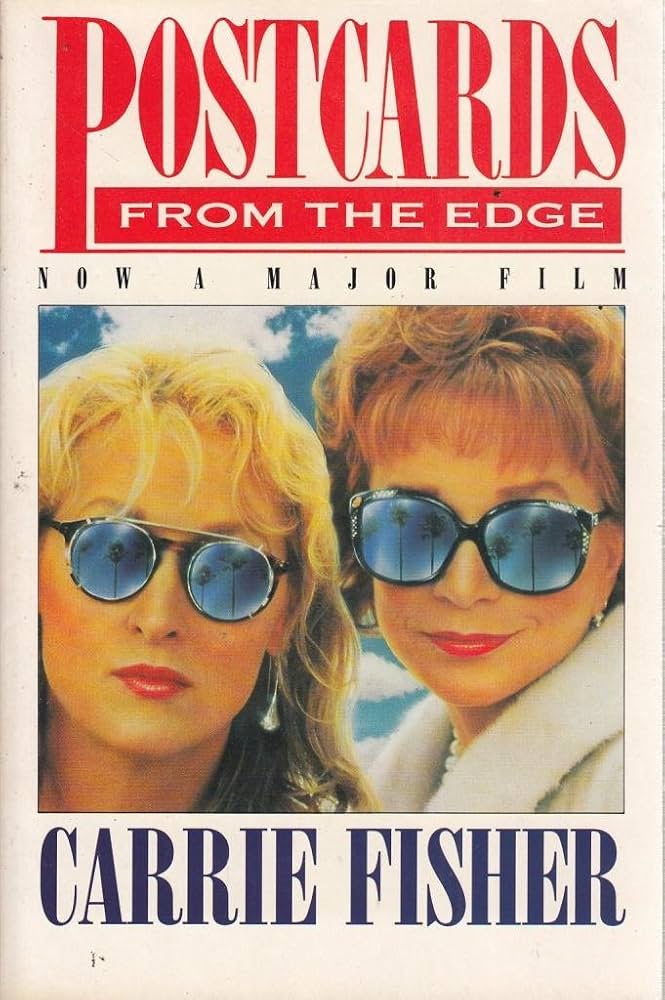
The actress’ debut novel was inspired by none other than her famous mother, Debbie Reynolds. Postcards from the Edge’s protagonist, Suzanne (Fisher’s stand-in), finds herself in the throes of Hollywood fame and drug rehabilitation, all the while fielding a complex relationship with her domineering stage actress mother, Doris, who attempts to overshadow her any chance she gets. The book revealed a highly personal and deeply unflattering depiction of Reynolds, and when it was adapted for the screen, Reynolds, who surprisingly showed interest in playing Doris, was turned down by the film’s director.

Primary Colors by Joe Klein (1996)
There is an access issue when it comes to penning a biography of a political leader—image management, classified information, governmental red tape—which might be one reason why so many roman à clefs surround political figures. Or, perhaps authors just want to have a little fun with their political protagonists, much like journalist and author Joe Klein did with his novel, Primary Colors. The political satire tells a thinly veiled story of Bill Clinton’s presidency, down to even the tiniest truths (and mistruths) that cemented Clinton’s underdogged rise to power into American history. Klein originally published the critically acclaimed novel anonymously, due to, as he’s put it, equal parts cowardice and whimsy. But, when he revealed himself as the voice behind Primary Colors, Klein faced expected but intense backlash from Washington, DC.
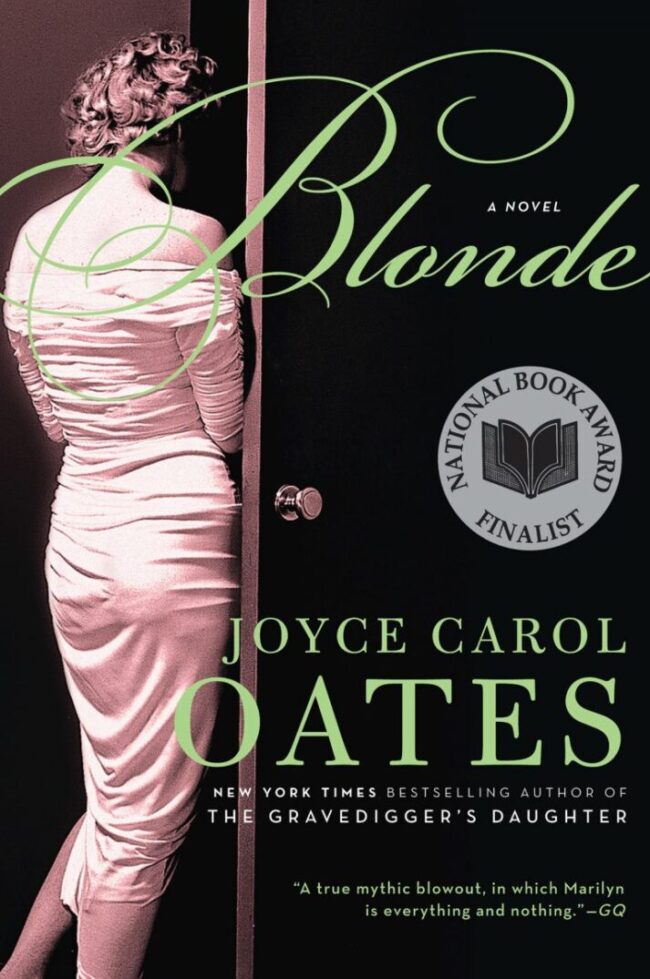
Blonde by Joyce Carol Oates (2000)
Sans its atrocious 2022 Netflix adaptation, Oates’s unofficial, fictional recount of Marilyn Monroe’s life has been minted with cult-classic status. But, when the novel came out, Oates’s story was called everything from “fat,” “messy,” and “tacky” by The New York Times, to “slop words across a page” by James Walcott. Those close to Monroe condemned Oates for her fabrications and exclusion of events and figures in the starlet’s life, including Truman Capote, who called Oates “the most loathsome creature in America” in an interview.
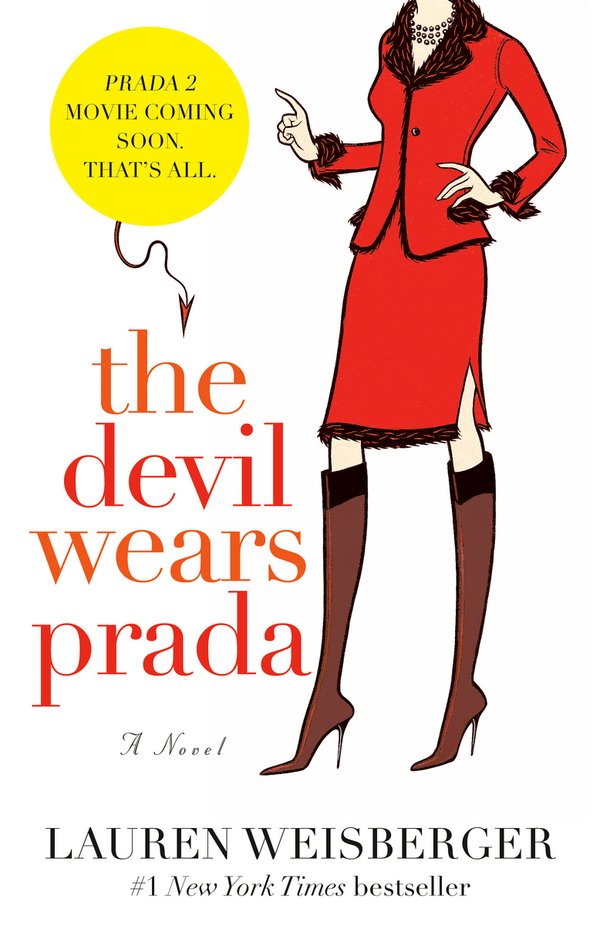
The Devil Wears Prada by Lauren Weisberger (2003)
In perhaps one of the most famous—and beloved—modern roman à clefs, the titular “devil” in The Devil Wears Prada is an unmistakable portrait of Vogue tzar Anna Wintour. The novel turned cult-classic film was directly based off of Weisberger’s grueling yet brief stint as Wintour’s assistant in the early aughts, with the beloved character Andy Sachs serving as a vehicle for her personal experiences (and grievances). Weisberger worked alongside now-celebrity stylist Leslie Fremar, who served as the inspiration behind Andy’s cold yet driven co-assistant, Emily, a fact that Fremar confirmed for the first time earlier this year. As for Wintour, she claims to have no recollection of Weisberger’s employment, but did sport a full Prada ensemble to the 2006 film adaptation’s premiere.

American Wife by Curtis Sittenfeld (2008)
On the outset of George W. Bush’s final months in office, it was difficult to look at Sittenfeld’s Alice Blackwell, the protagonist of American Wife, and not see Laura Bush. The novel follows Alice, who, like Bush, is a Midwestern librarian that suddenly finds herself in the midst of scandal after marrying into a wealthy political dynasty. Sittenfeld has been forthcoming about her heavy inspiration from the first lady, and was hit with criticism for making the characters in the Bush dynasty more sympathetic than readers believed was deserved.
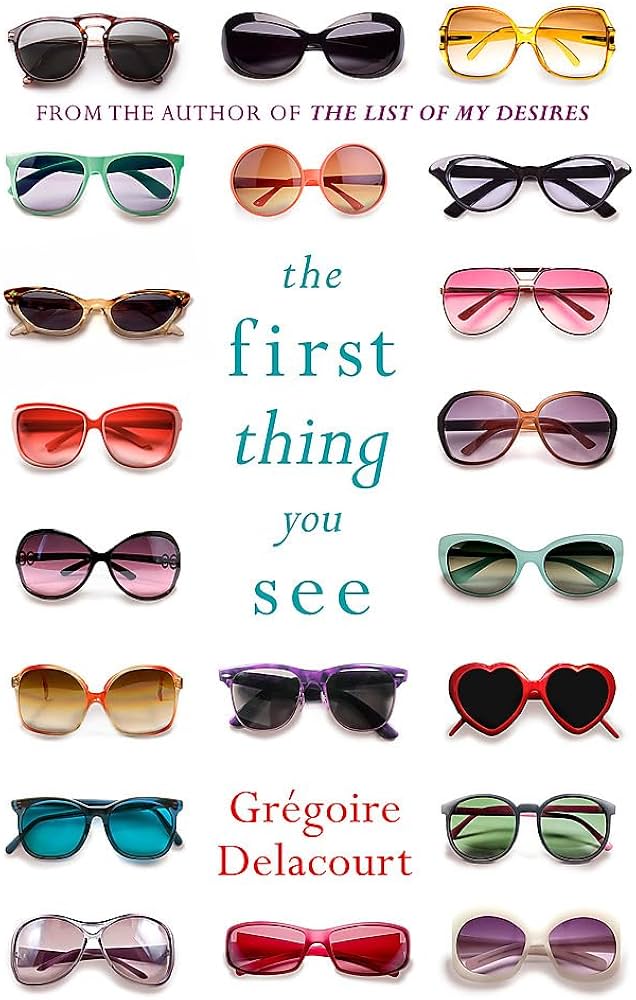
The First Thing You See by Grégoire Delacourt (2015)
What would you do if Scarlett Johansson, in all of her blonde, raspy beauty, showed up at your front door, searching for companionship and love? This is the premise of Grégoire Delacourt’s bestselling French novel, one that courted a lawsuit from Johansson herself. The actor sued on the premise that her doppelgänging character—who turns out not to be the actor but a woman futilely imprisoned in her likeness—was defamatory, fraudulent, and exploitative. While a judge agreed the novel was defamatory (and Johansson was awarded a mere €2,500), she could not stop the book’s translation and sale in the United States.
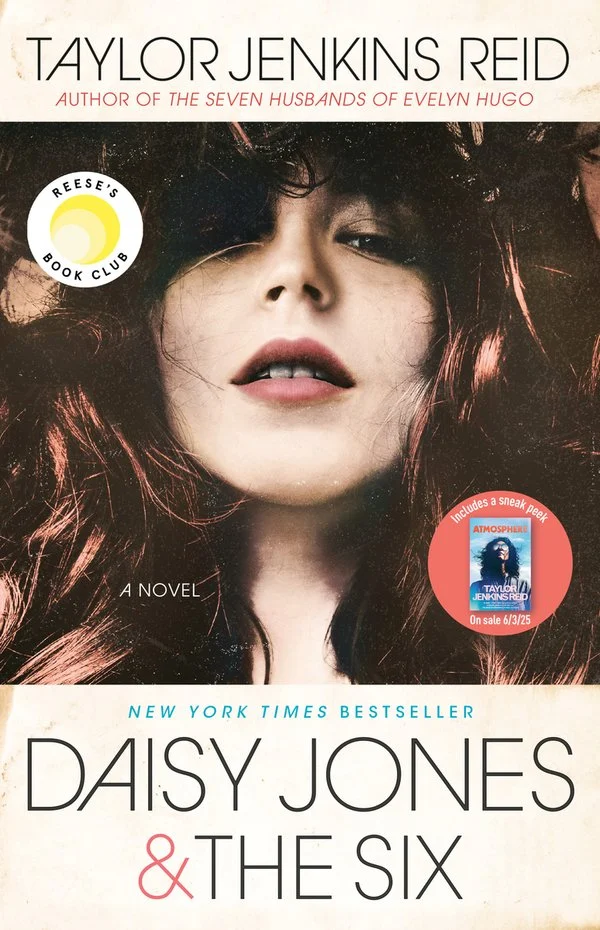
Daisy Jones & The Six by Taylor Jenkins Reid (2019)
The retro ’70s glam, the fitful affairs, the besotten breakups: Reid’s titular legendary rock-n-roll band draws more than just a few parallels to Fleetwood Mac. The novel follows frontmen Daisy Jones and Billy Dunne through a spiteful, turbulent creative partnership and relationship closely resembling that of Stevie Nicks and Lindsey Buckingham, down to a recreation of the band’s infamous 1997 “Silver Springs” performance. The novel was widely criticized as derivative, cliché, and one-dimensional. Nicks admitted that, after her second watch of the adapted series, she felt like “a ghost watching my own story.”
More of our favorite stories from CULTURED
How Ina Garten, Everyone’s Favorite TV Chef, Learned to Trust Her Appetite
How ‘The Odyssey’ Opening Weekend Birthed Its Own Ticket Resale Black Market
What Do Basketball Stars Talk About in the Locker Room? Fine Art, According to Kevin Love
We Asked 18 Food Insiders Where (and What) to Eat in New York This Summer
Jarrett Earnest on How Lovers Claude Cahun and Marcel Moore Redefined Collaborative Artmaking
Sign up for our newsletter here to get these stories direct to your inbox.






 in your life?
