


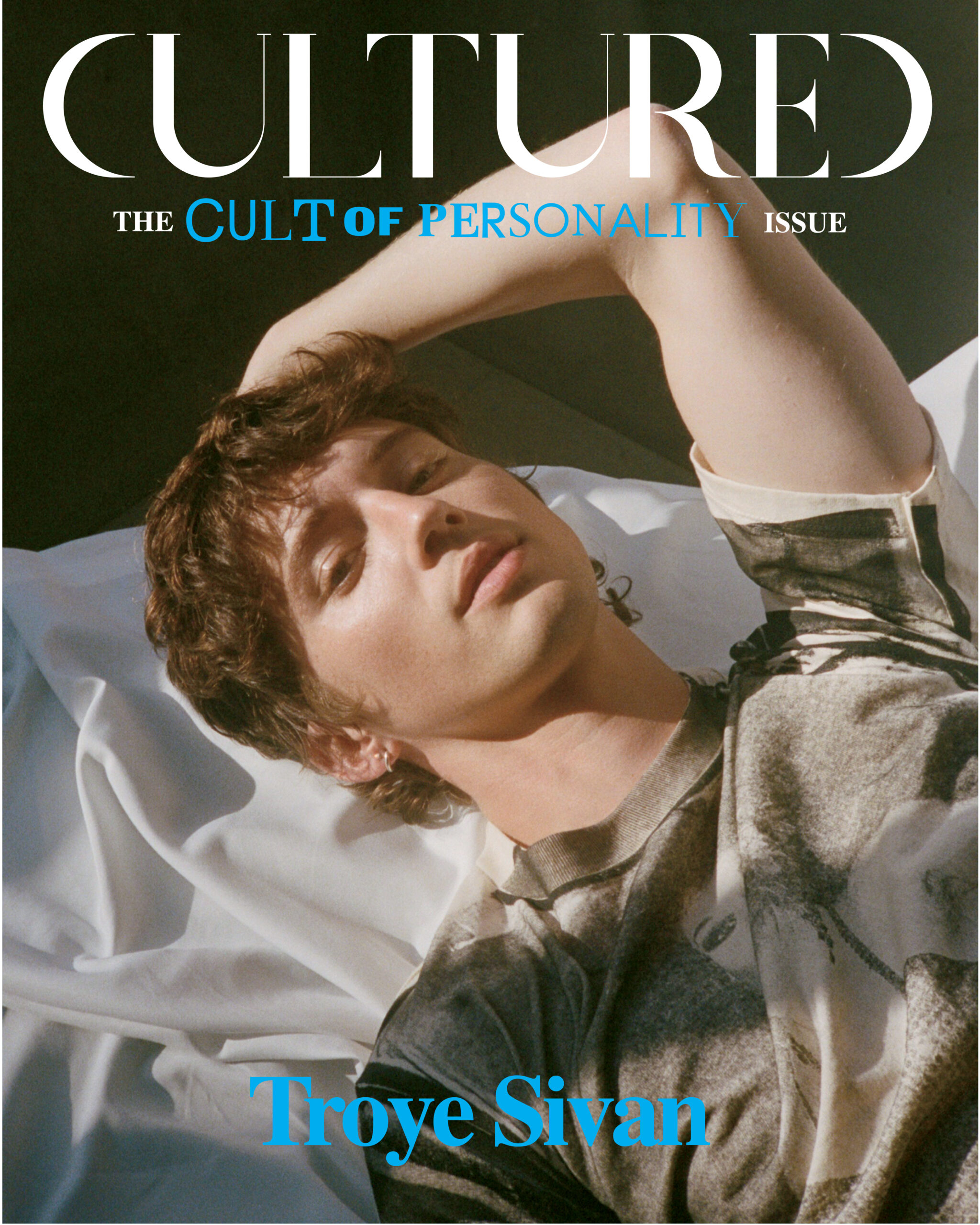
Three summers ago, Troye Sivan—the crystal-blue-eyed faun from Down Under—released “Rush” into the atmosphere, and the entire world partied.
“Rush” was a banger, as they say, especially if you happened to be queer, cool, young, or all three. It charted globally. Critical praise was unreserved. The song received two Grammy nominations, the artist’s first and second. He embarked on an international tour, followed by a North American tour that he co-headlined with his pal and fellow hitmaker Charli XCX. He became a Prada ambassador, starring in several major campaigns. All eyes and ears were on Sivan.
In June, I sat down with the 31-year-old over Zoom to discuss what comes after that kind of fame upgrade. Part of the answer is a fourth album, She’s The Best, out in October (the titular lead single dropped last month). Perched on a white sofa bathed in late-morning Los Angeles sunlight, Sivan appears relaxed if somewhat tentative. I’m stealing precious time away from his process, after all: “I’m in the final stretch of mixing and mastering. This is my last chance to get something on the album or take something off,” he says. “It’s fun; I’m leaving no stone unturned.”
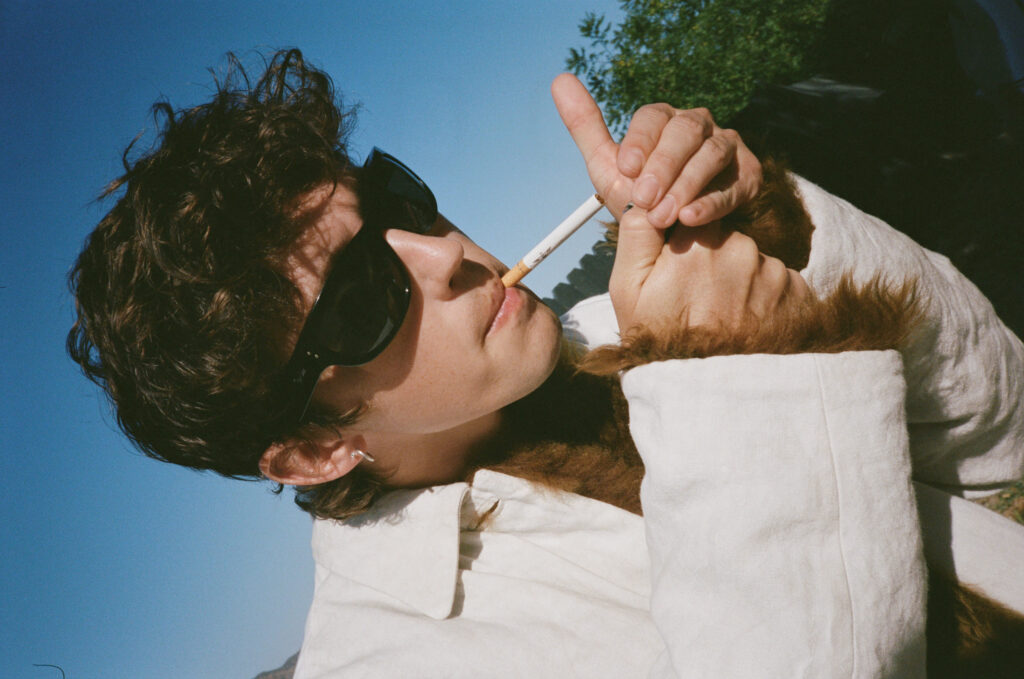
But before we get into details, we must briefly pause to reckon with “the center of attention.” Slow down the phrase itself. Listen carefully to discover its foreboding homophone. You’ve suddenly entered the center of a tension: an emotional condition intrinsic to the attention economy, as uneasy as a target in the crosshairs.
To perform there is exhausting, relentless. Lena Dunham just wrote a whole book about it. Despite how enjoyable the work may be—the bliss of pure pop, the mastery of choreography and stagecraft, the heat and aliveness of those moments onstage—ultimately it is work, difficult to sustain, bad for your health and relationships.
“I was building this reputation as a sexual, joyous pop figure. But I would do the shows, and then I would go home to empty hotel rooms.”
“Men have come and gone,” says Sivan of life at the center. (One exception is Jacob Bixenman, who shot the star for this story. An early ex-boyfriend, the photographer remains a valued collaborator.) “The new album feels like an almost uncomfortably true picture of my life during tour,” Sivan continues. “I was building this reputation as a sexual, joyous pop figure. But I would do the shows, and then I would go home to empty hotel rooms. I’m a gay guy trying to date other gay guys who also happen to be the demographic that listens to my music. That has been very isolating.”
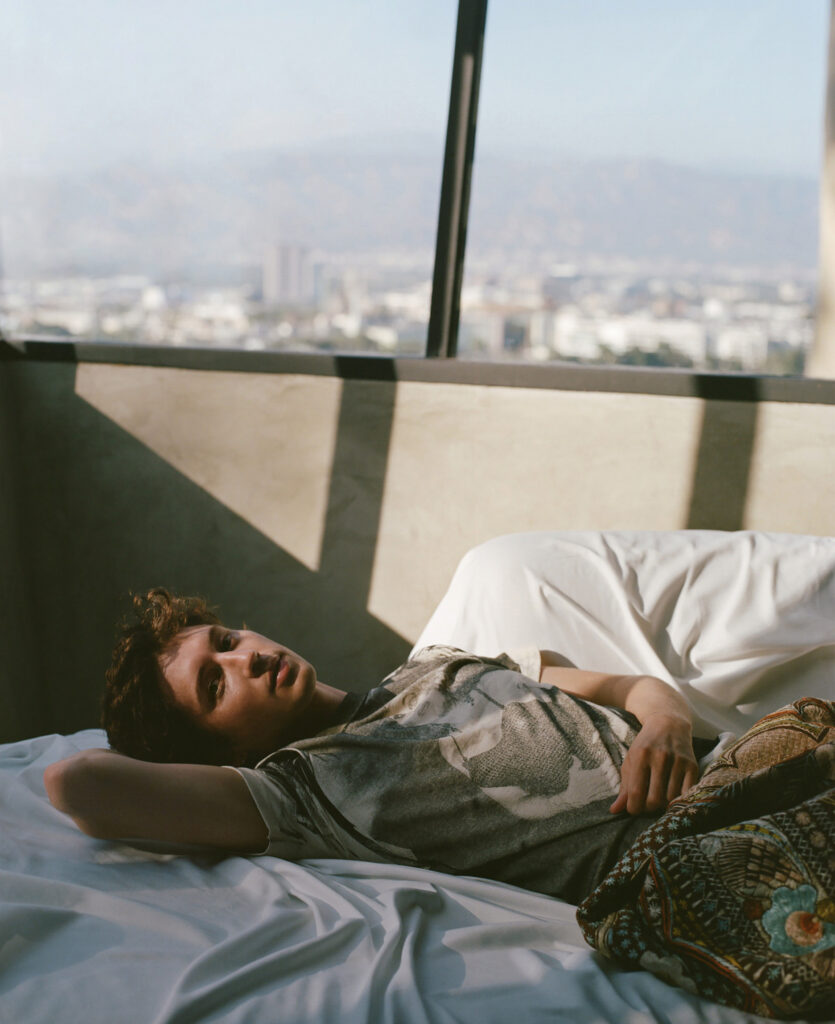
What, I ask, can fans expect from She’s The Best if not another full-throttle bacchanalian spectacle? “I wanted to make something that—it sounds almost cocky to say—only I could make. People are smart, and I wanted to make something genuinely interesting and complicated. It’s a little more experimental, yes. I wanted to paint this really layered picture. My life has not looked like a single, easy one-liner these last few years. There’ve been highs; there’ve also been lows. The only guiding light is honesty.”
So who is she, and what makes her the best? “I felt this deep appreciation for the feminine in my life, the feminine inside of me as well,” says Sivan of the album’s title. “Honoring that as the one rock in my life, whether it’s my sister or my two best friends since I was 2. Really finding a lot of power in that.”
There’s also power in pleasure—by which I mean intercourse—and sex sells at scale. That certainly contributed to the smashing success of 2023’s Something to Give Each Other. “People can go back and listen to that album anytime they want to,” Sivan reassures me. “I need to make something new and different.”
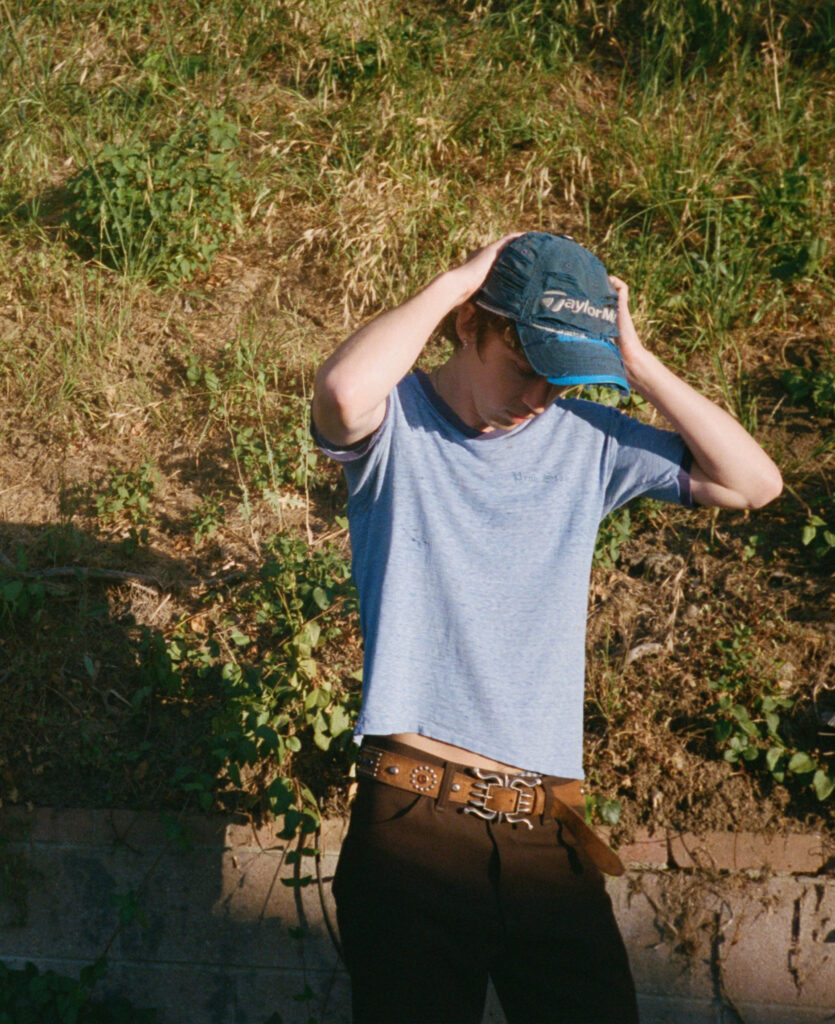
In that spirit, Sivan became a producer on She’s The Best, his first time in the role. His younger brother, Tyde Levi, stepped in to produce as well. A lot of the vocals were recorded in Sivan’s home office. “I could have gone to a nicer studio with a better microphone or whatever,” he says. “I liked the idea of creating from a place that reminded me of when I was 12 and making music in my bedroom. There was this freeness that I hadn’t felt in a while.” (If you will recall Friedrich Nietzsche in Beyond Good and Evil, 1886: “The maturity of man—that means, to have reacquired the seriousness that one had as a child at play.”)
“I wanted to make something that—it sounds almost cocky to say—only I could make.”
Sivan has at times reminded me of figures who came before with a talent for relaxing and remixing their gender presentations, guys like Stephen Tennant, Leslie Cheung, David Bowie, and Prince. I asked Sivan for his take on the so-called manosphere because I hate it, but also because I think his public persona models a much-needed nontoxic alternative.
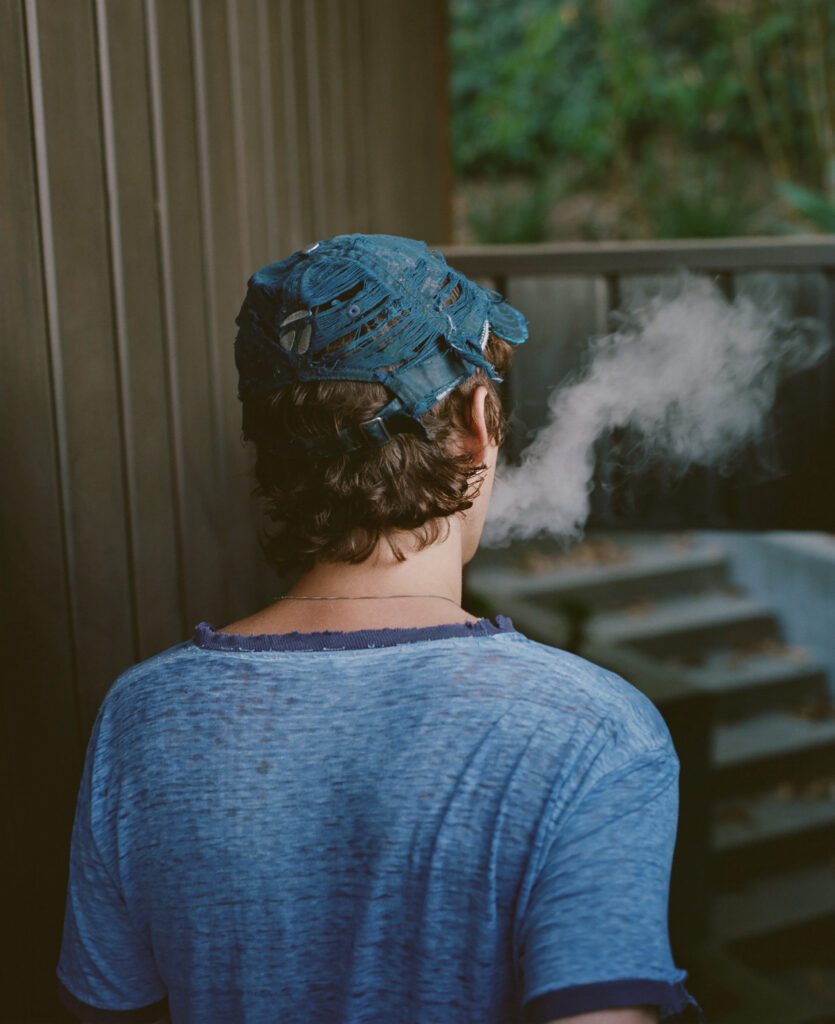
On the level of brand messaging as well as lyrical sentiment—“She takes down an incel on the Internet / When she needs just a little unwind”—She’s The Best moves in direct opposition to a growing subculture of online misogyny. “I believe we are all victims of the algorithms,” Sivan says. “They are doing unbelievable harm. Maybe the thing people can take from the album is that I’ve been very vulnerable on it. I am unafraid of my feminine side. Listening to it, and being so grateful for the community that comes with it, I feel very deep gratitude.”
In the recent Netflix documentary series Kylie, about the Aussie sensation Kylie Minogue, alt-rock singer-songwriter Nick Cave used the phrase “joy machine” to describe the nature of the pop music enterprise. That enterprise is saddled with an awful lot of responsibility: cranking out music and visuals that will translate into ephemeral products for tens of millions of young people to purchase and emulate while guiding them toward their first encounters with some of life’s biggest feelings: love, heartache, identity, fantasy, the expanse of what’s possible.
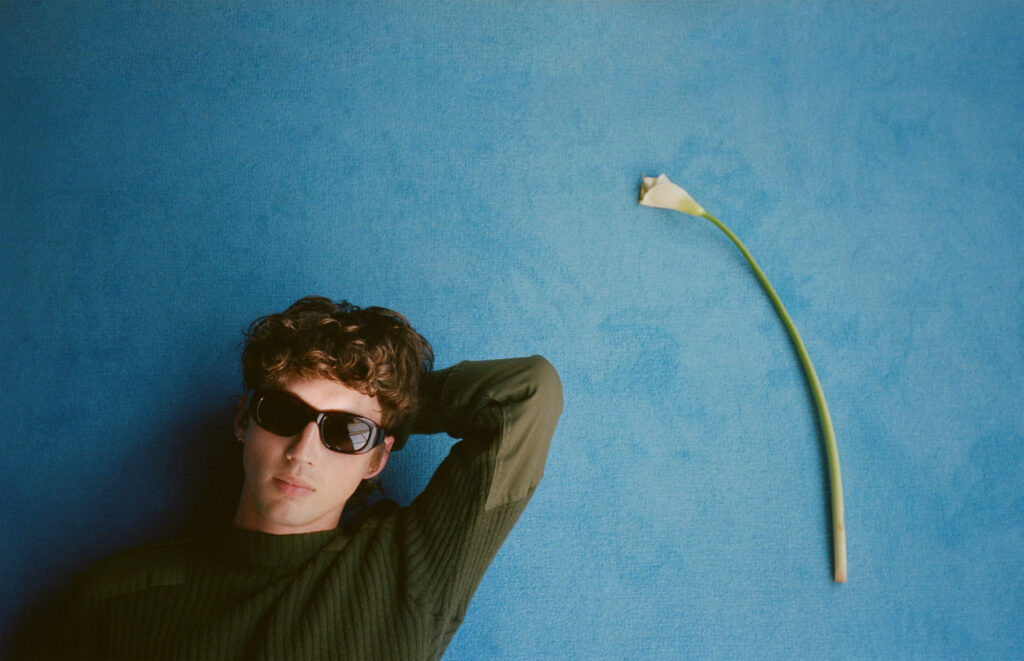
How do you hang onto yourself in the center of all that? “I don’t know,” says Sivan, exhaling. “It’s been difficult to hold onto my sanity, and I think that’s what this album is about. The pressure to make ‘Rush’ again is great, but this time, it’s like a pendulum swing; I wanted to do away with as much of that perfect pop as I possibly could. I was like, I need to do something that feels in tune with my inner self,” says Sivan. “Whether or not it feeds the joy machine will be determined.”
Thus, the tension persists, baked into the bread of commercial enterprise. Joy versus machine. The innately desirous, ecstatic, and artistic impulse on one side; the deadly grind, optimization, and alienation on the other. Leisure versus labor. Sensation reawakened in the artist, or the artist packaged and sold as “a sensation.”
Order the Cult of Personality issue here.
Photography by Jacob Bixenman
Styling by Daniel Gaines
Hair by Koh
Grooming by Ciara Maccaro
Executive Production by Kevin Kloecker and Marino Coates-Chitty
Production by Ellen Kozarits
Production Design by Wesley Goodrich
Styling Assistance by Eric Chen
Production Assistance by Eli Cash
More of our favorite stories from the Cult of Personality issue
‘I’m Nostalgic, and I Wasn’t Even Alive Yet:’ ‘The Shards’ Cast on Bringing ’80s Excess Back to Life
Fashion’s New Muse? The Older Woman Who Hasn’t Aged.
Pro Skater-Turned-Photographer Jerry Hsu Takes Us Inside His Breakup in a New Photobook
How Painter Sam McKinniss Captured Troye Sivan For Our Latest Artist Cover
Sign up for our newsletter here to get these stories direct to your inbox.






 in your life?
