


The American mountain town is easily reduced to a simple visual shorthand: faux-chateau facades, knotty timber rafters, oversized stone mantlepieces, antlers galore. As a web of railroads snaked deeper into the American West and a post-World War ll boom galvanized America’s tourist class from the late 1930s to early 60s, a constellation of alpine hubs blossomed across the Rockies—Sun Valley, Aspen, Vail, and Deer Valley among them—former mining towns and outposts reimagined to merge the West’s rustic pioneer ethos with trim European aesthetics.
Today, nearly a century since its inception, the independently owned mountain resort is an endangered species. The pressures of remaining operational have given rise to multi-mountain conglomerates (Vail Resorts and Alterra Mountain Company, chief among them) that now own more than 50% of ski areas across the U.S. The allure of the old resort formula has waned.
In this matrix of well-appointed and increasingly corporate resort towns, Powder Mountain has long been something of an anomaly. Since its founding in the 1970s, the mountain has spent half a century cultivating a mythology among hardcore skiers as something of an anti-resort: the largest in North America by skiable terrain, with a conspicuous absence of resort-style offerings. Perched above a swath of Ogden Valley farmland, Powder never developed a village center, the kind of honeypot for passive commerce and casual crowds that has become the hallmark of ski towns across the West. This resistance to commercialization may have come at a price: by the 2010s, the mountain—adored by die-hards—was struggling to stay afloat without being absorbed into a multi-mountain operation.
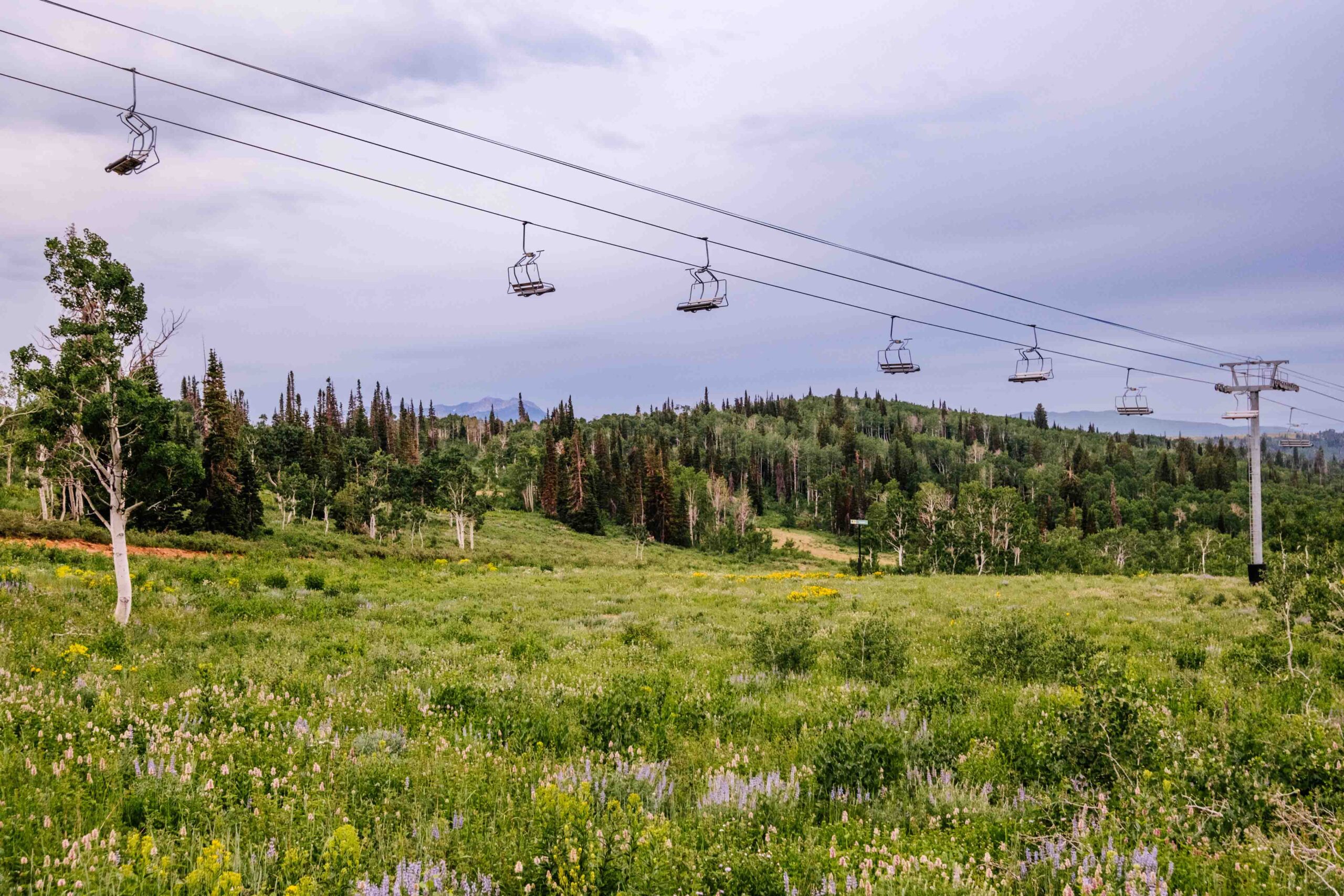
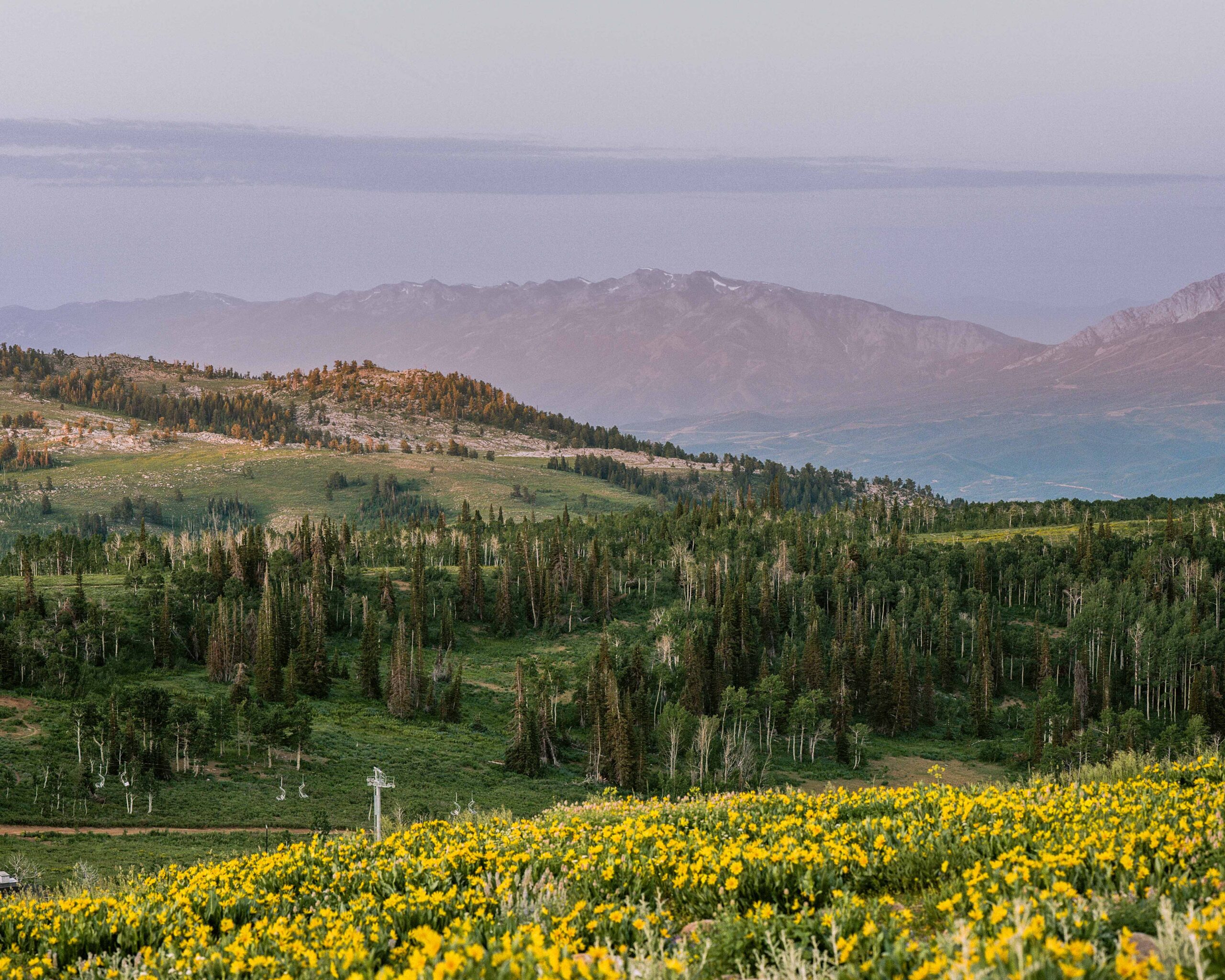
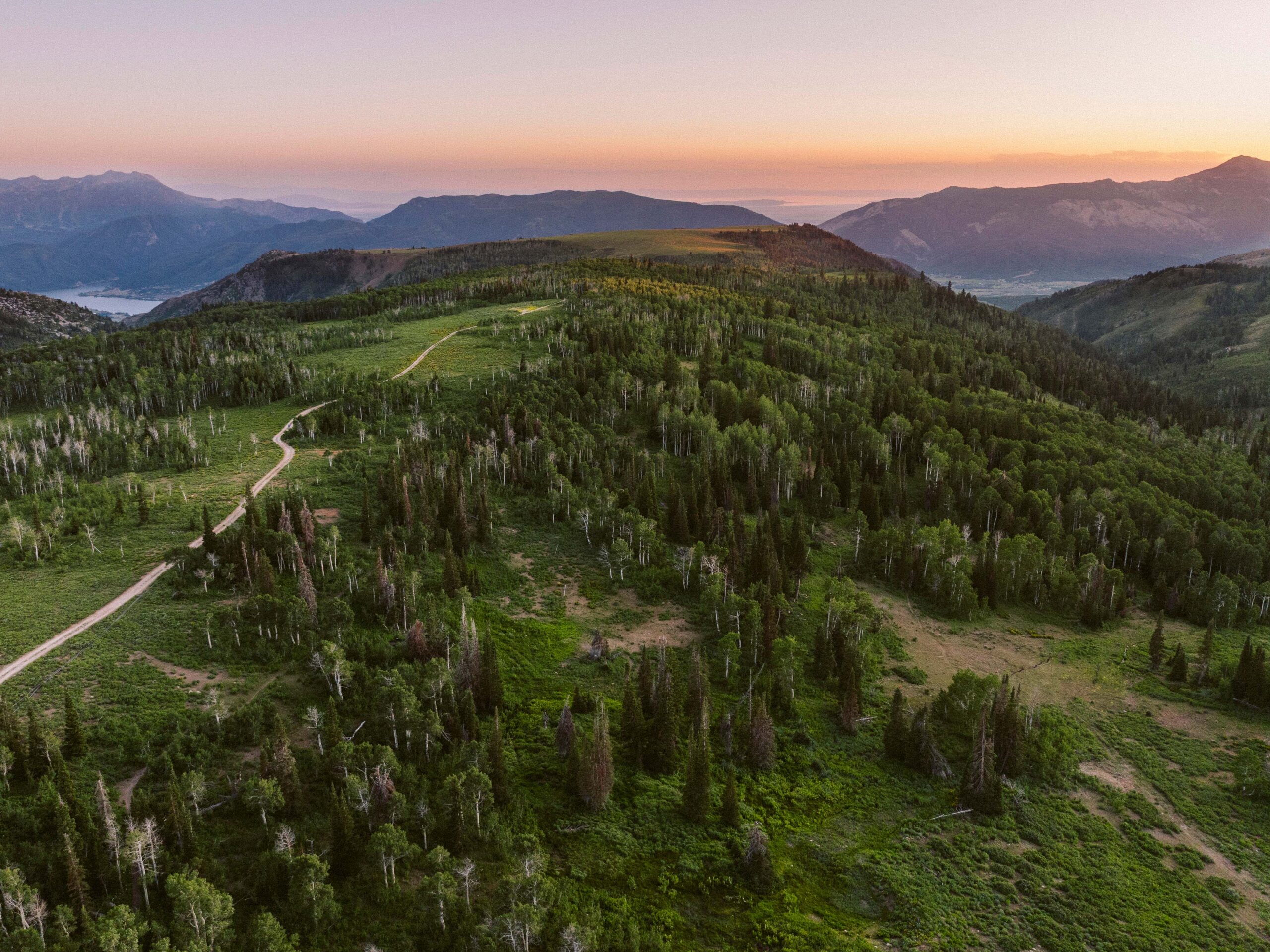
Enter Reed Hastings. Since coming under the Netflix co-founder’s ownership in 2023, the resort has undertaken a somewhat radical approach to reinvention—one that involved a supposed $100 million investment, a substantial public art program, and the implementation of a public-private skiing model in which residential revenue funds public infrastructure on-mountain. It seems that early lack of development may have become Powder’s saving grace. Today, the question at the heart of the operation is clear: What can a mountain resort be? What do people actually want from one?
Three years on, Powder Mountain presents a startling answer to that question—one that sidesteps the European mountain town’s long shadow while installing contemporary art directly into the mountainside. To this ambitious end, Hastings secured a team of hospitality and art world insiders: among them chief creative officer Alex Zhang, who conceived of the mountain’s real estate and its public art program, the Powder Art Foundation.
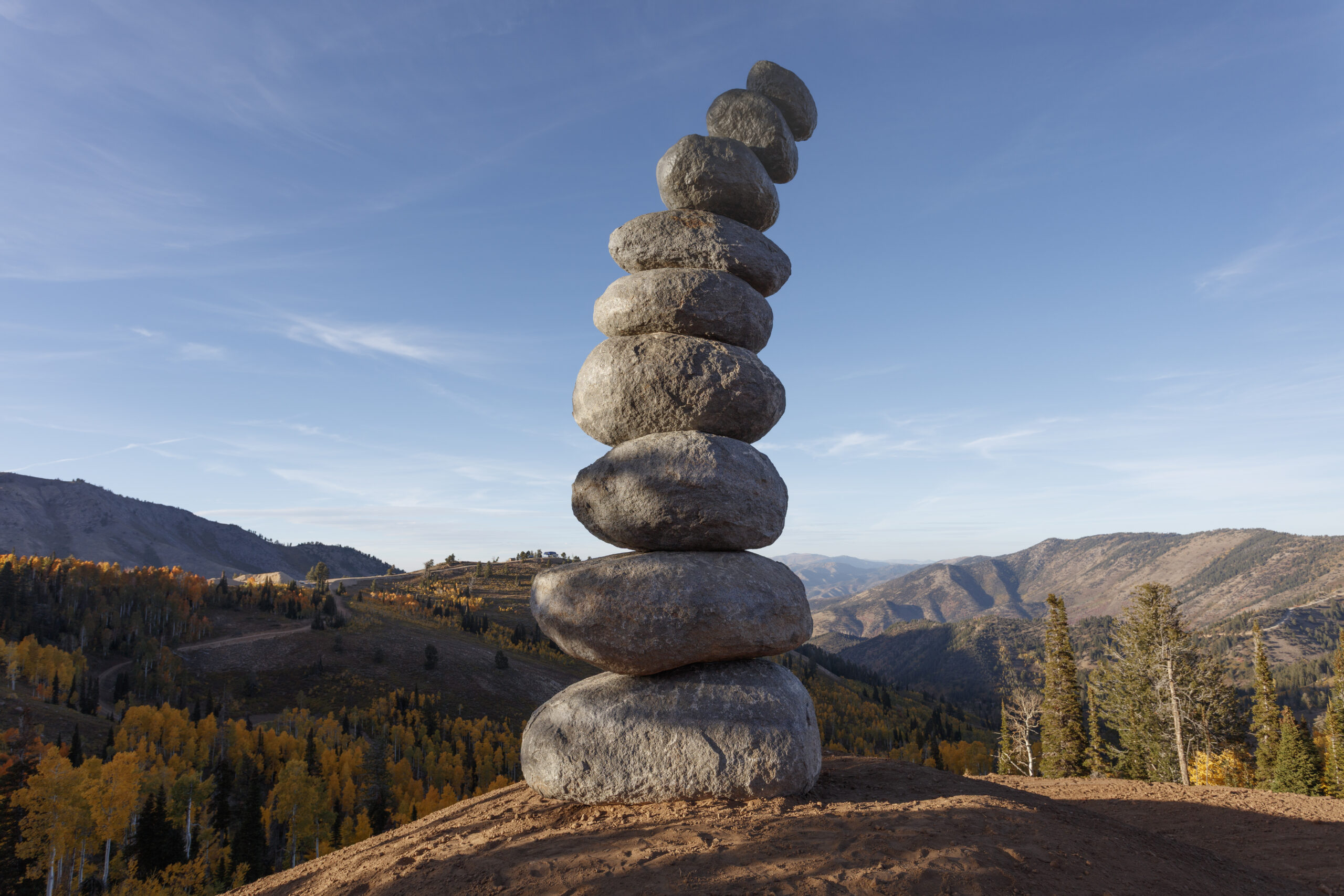
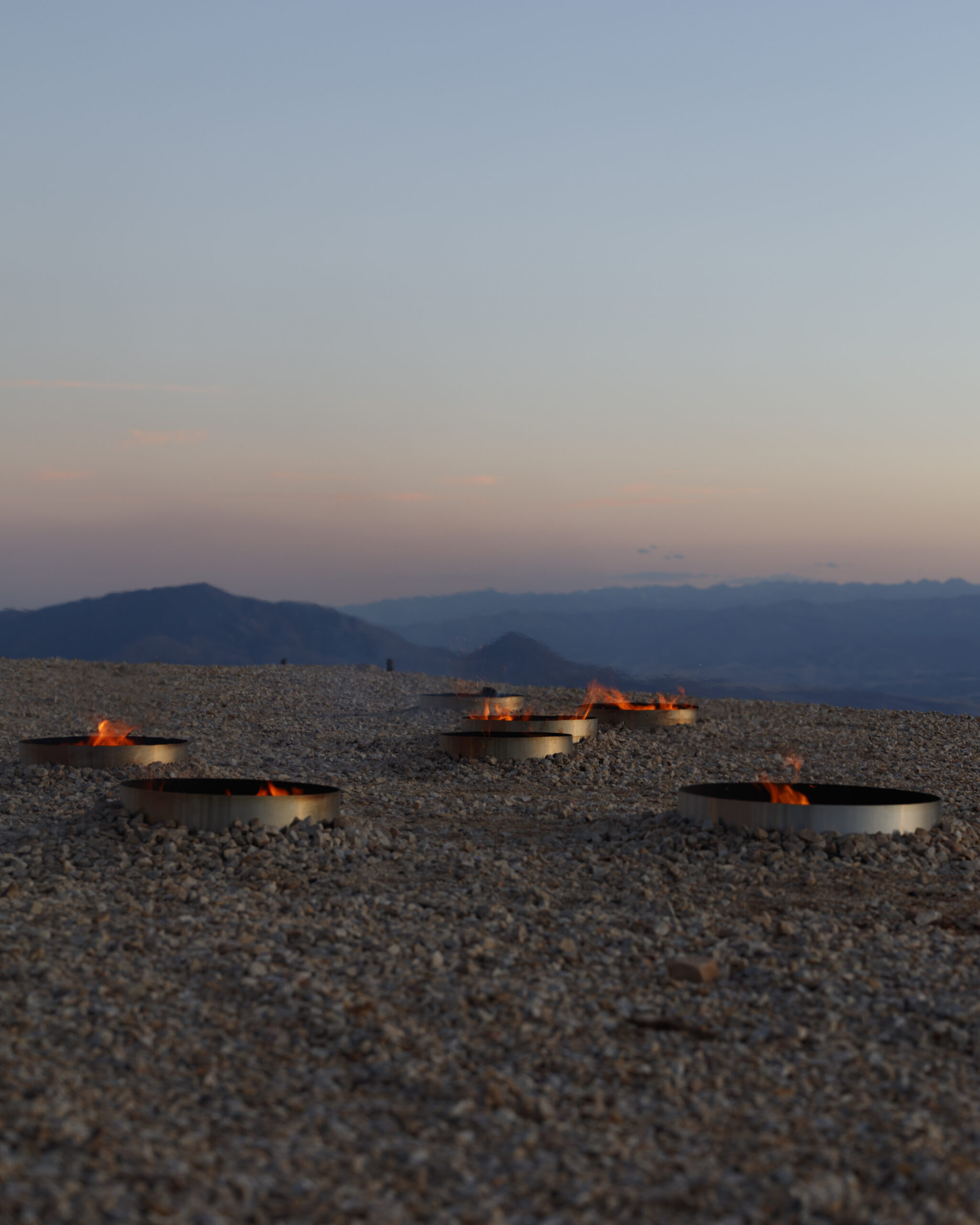
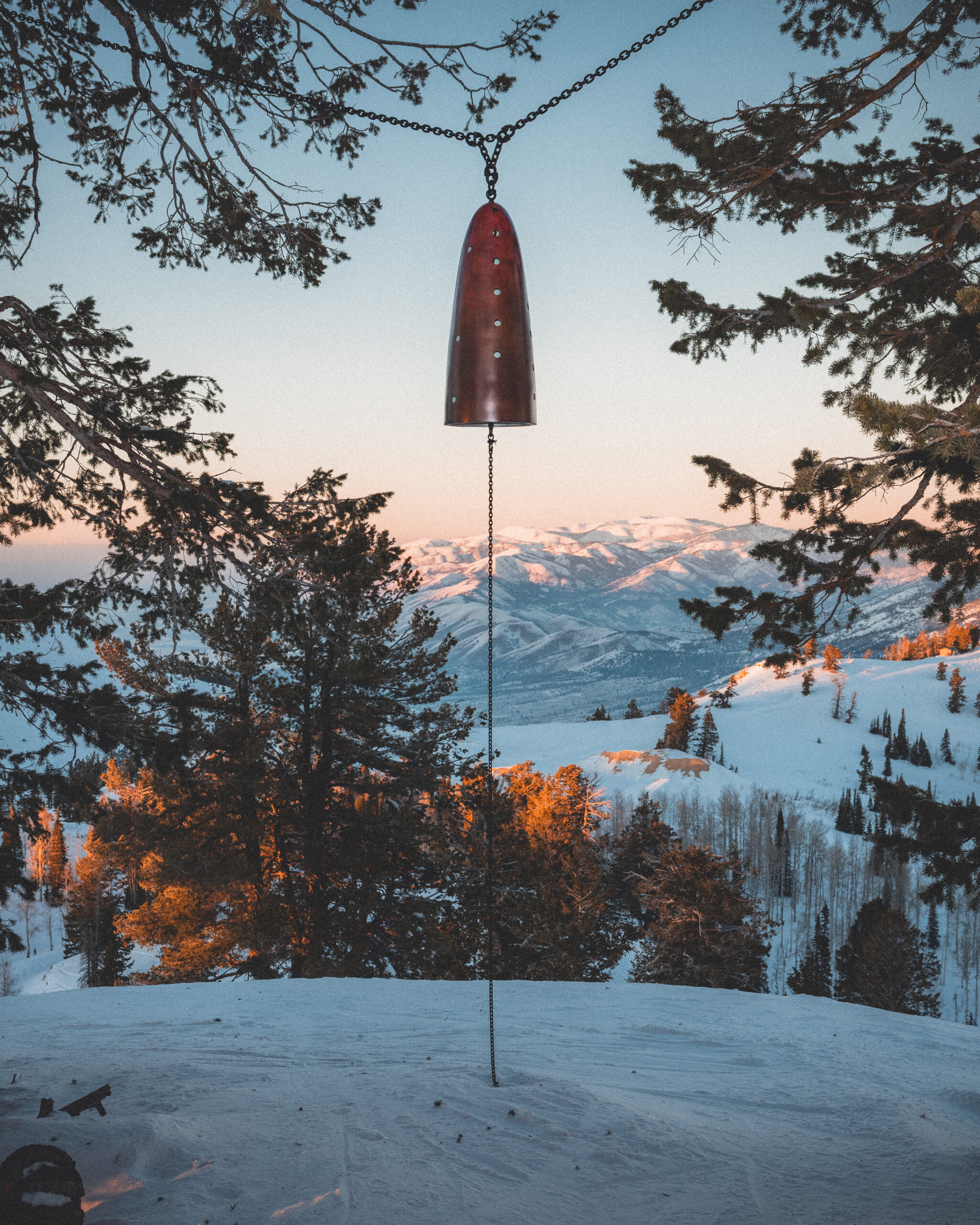
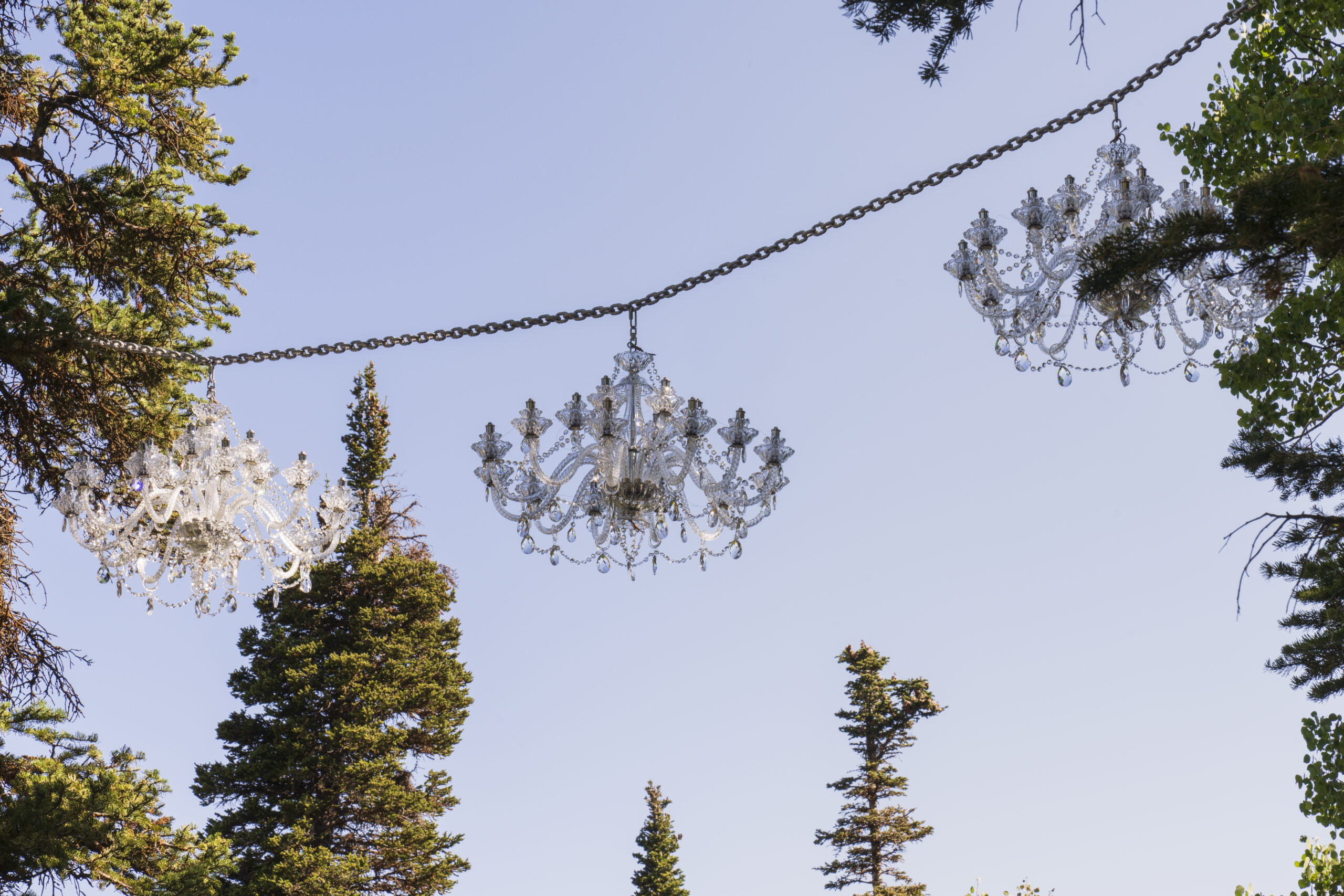
The Powder Art Foundation’s impact is already apparent on-mountain. In the summer months, the 13 works currently installed across the landscape—ranging from large-scale earthworks to smaller interventions—are just as impactful as they are when blanketed in snow (in the winter, they can be accessed on skis). Unmissable along publicly accessible trails and in densely wooded terrain: a trio of cast bronze bells by Davina Semo, a cohort of chandeliers by Kayode Ojo, and two lift-mounted works by EJ Hill—not to mention the reinstallation of Nancy Holt’s 1986 work Starfire and Nobuo Sekine’s Phase of Nothingness-Stone Stack, 1970, 2025. Each piece activates the pocket of landscape around it, transforming the mountain into a year-round sculpture park with a program acknowledging its proximity to major Land Art works such as Holt’s Sun Tunnels and Robert Smithson’s Spiral Jetty. This fall, The Powder Art Foundation will announce a new wave of commissions and installations.
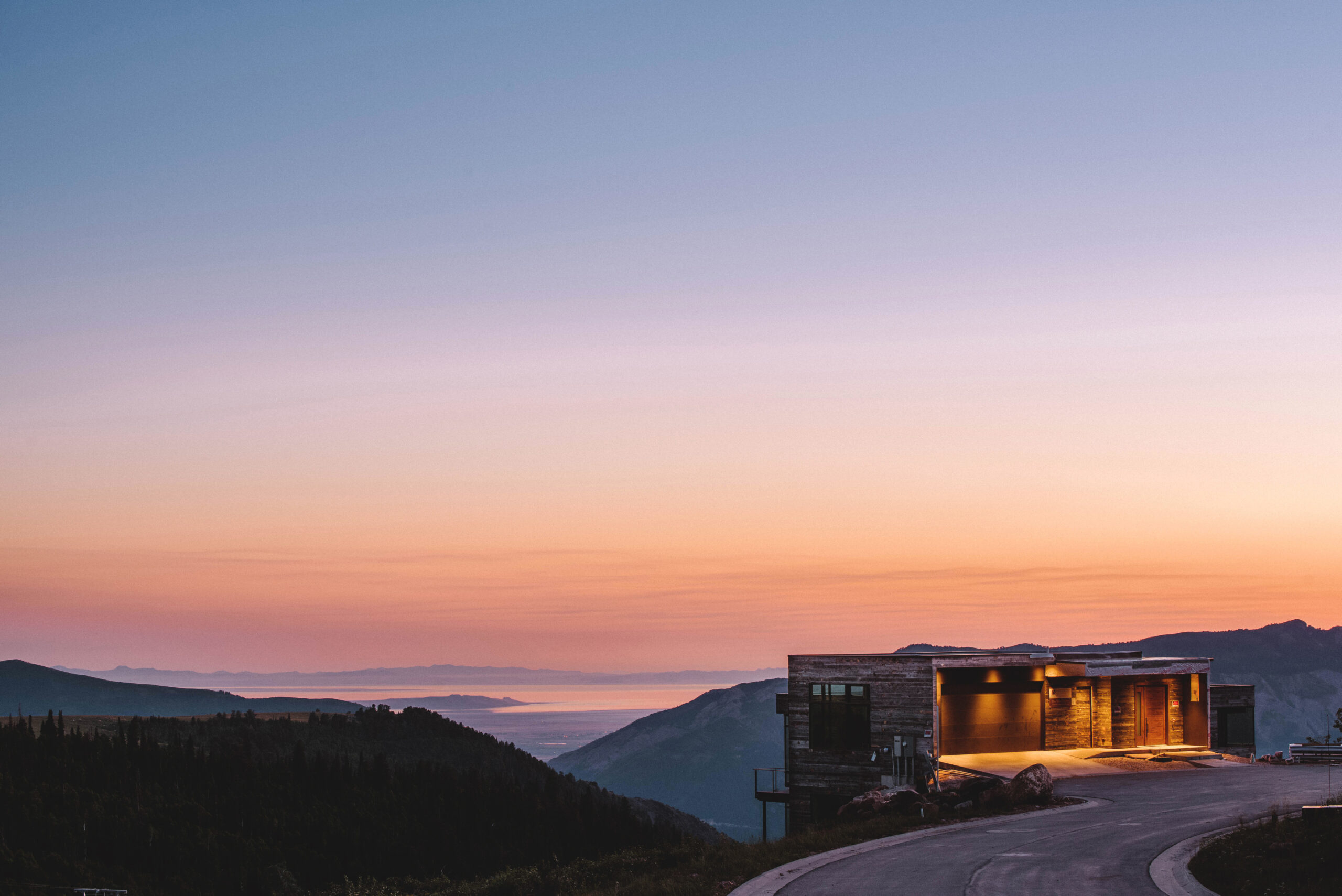
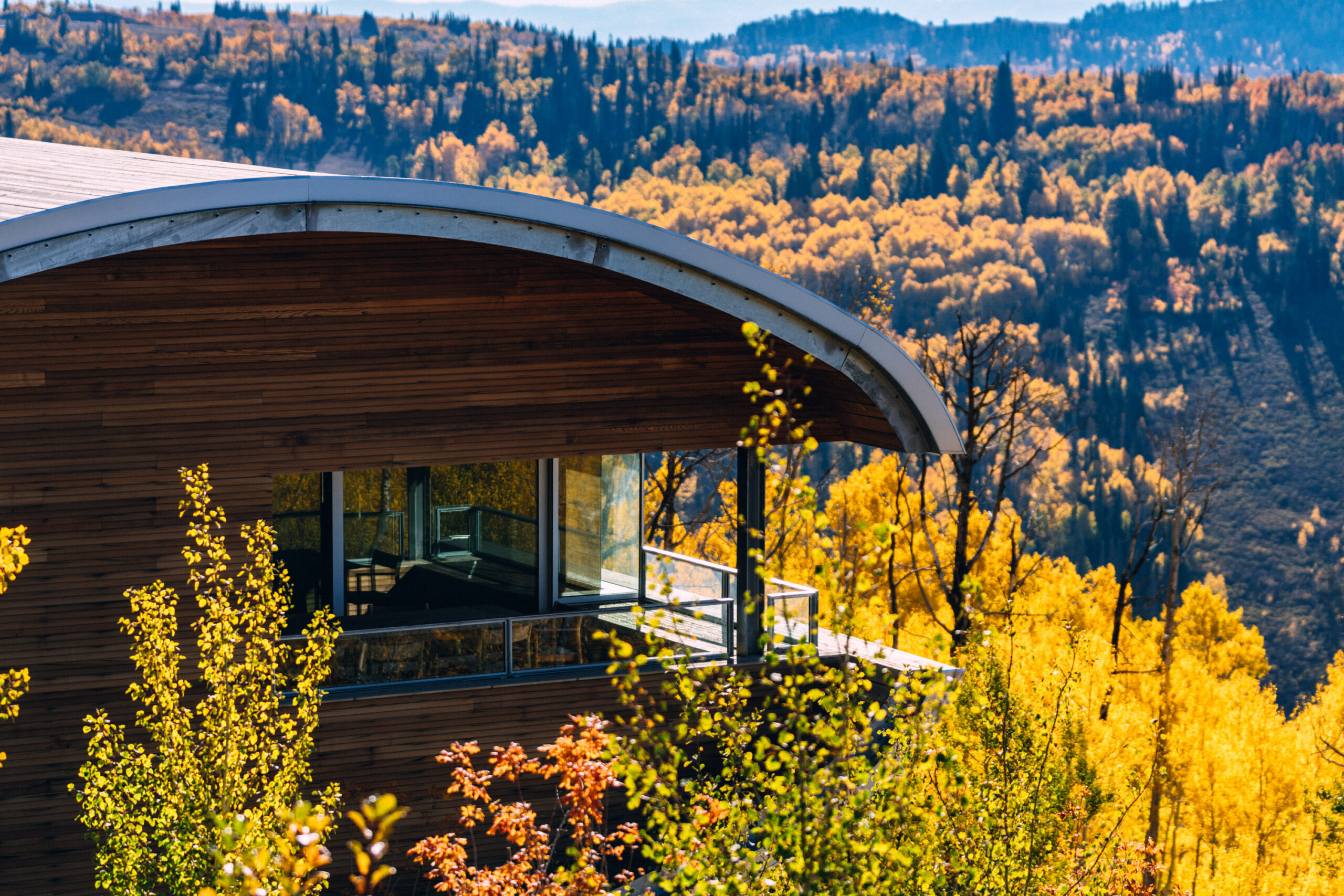
Then, of course, there’s the private side of Powder—a covetable swath of mountainside dubbed Powder Haven that features 650 residential lots with direct access to “neighbor”-only lifts, runs, and unending amenities. Hastings, of course, is a resident—along with a cohort of ultra-high-net-worth powder lovers hankering for access to fresh snow. (Powder has opened new skiable areas of the mountain to the public to compensate for terrain now designated private.) Haven residents can opt to partner with acclaimed architects to design their future mountain abodes—firms including Lloyd Architects, Walker Warner, and RKD Architects have left their mark on the first wave of construction. Needless to say, the results feature considerably fewer elk antlers.
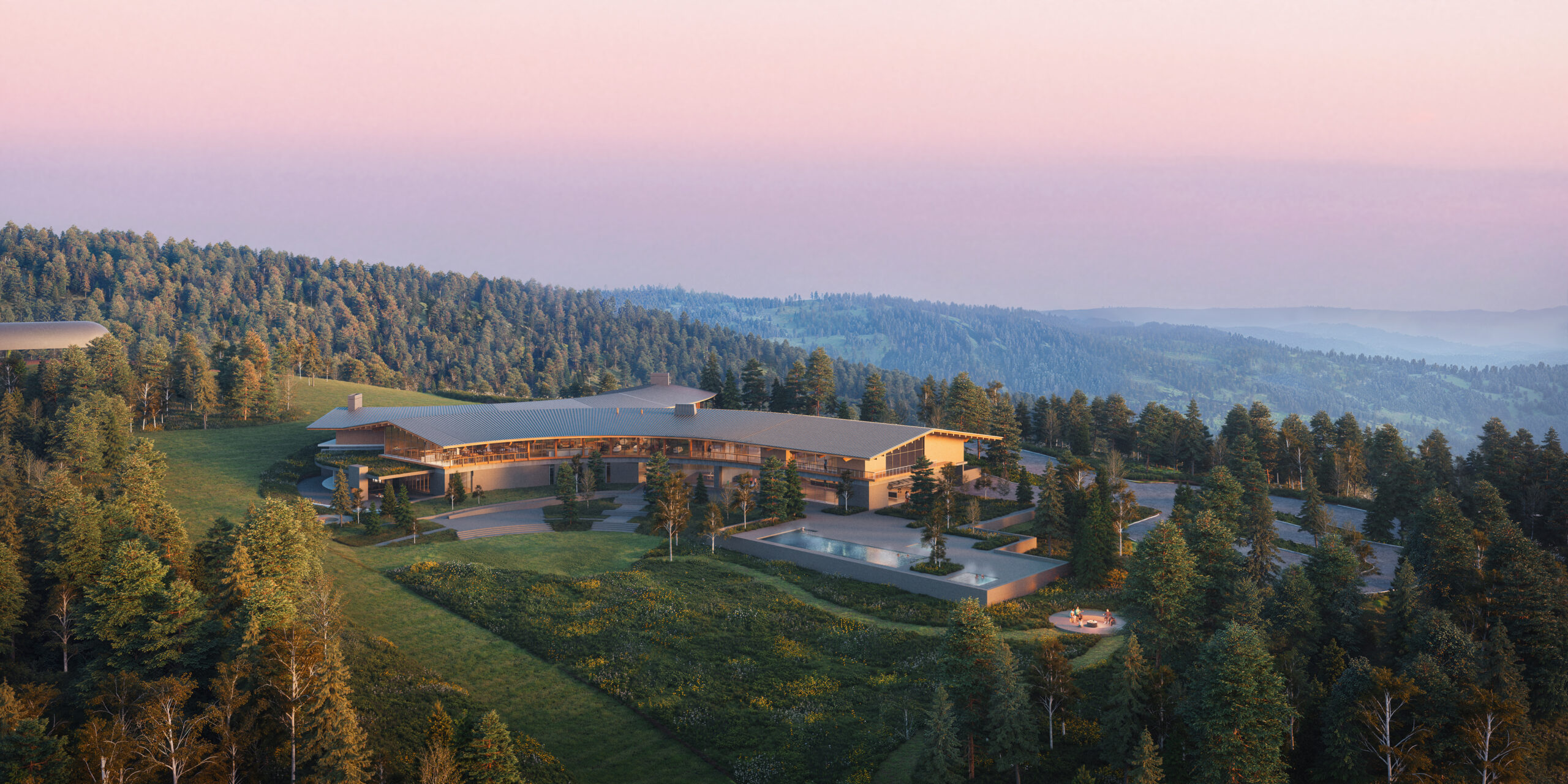
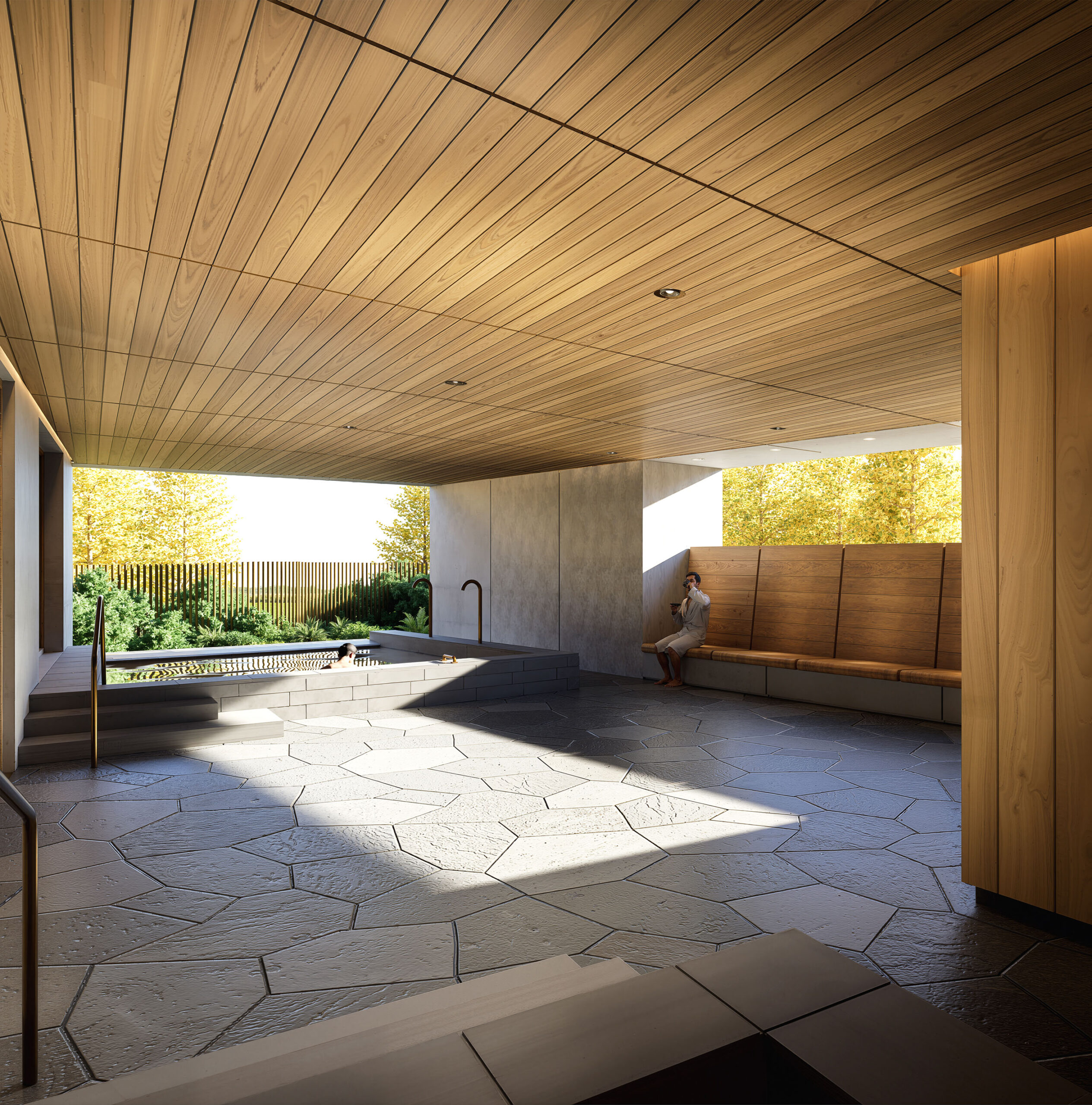
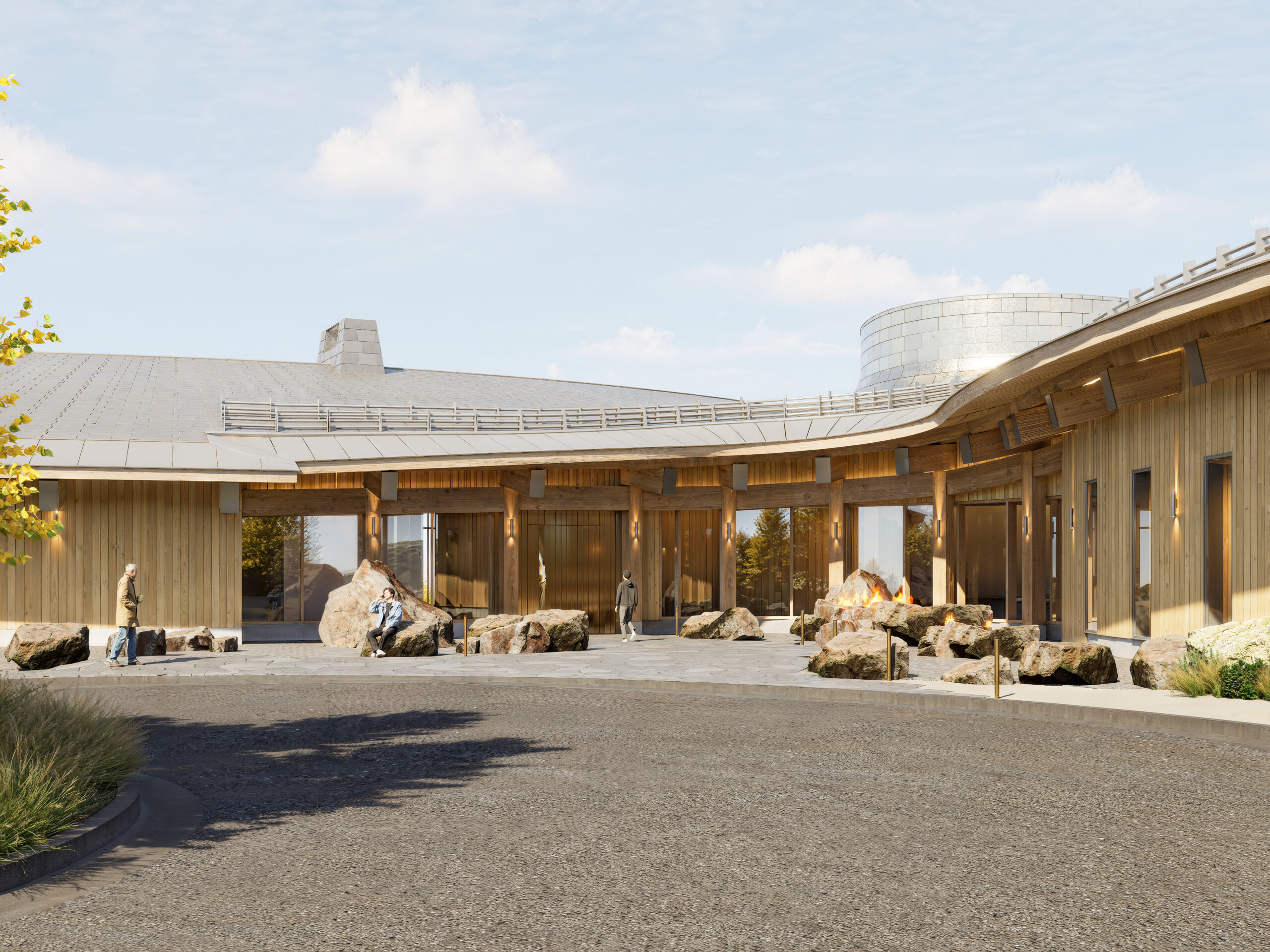
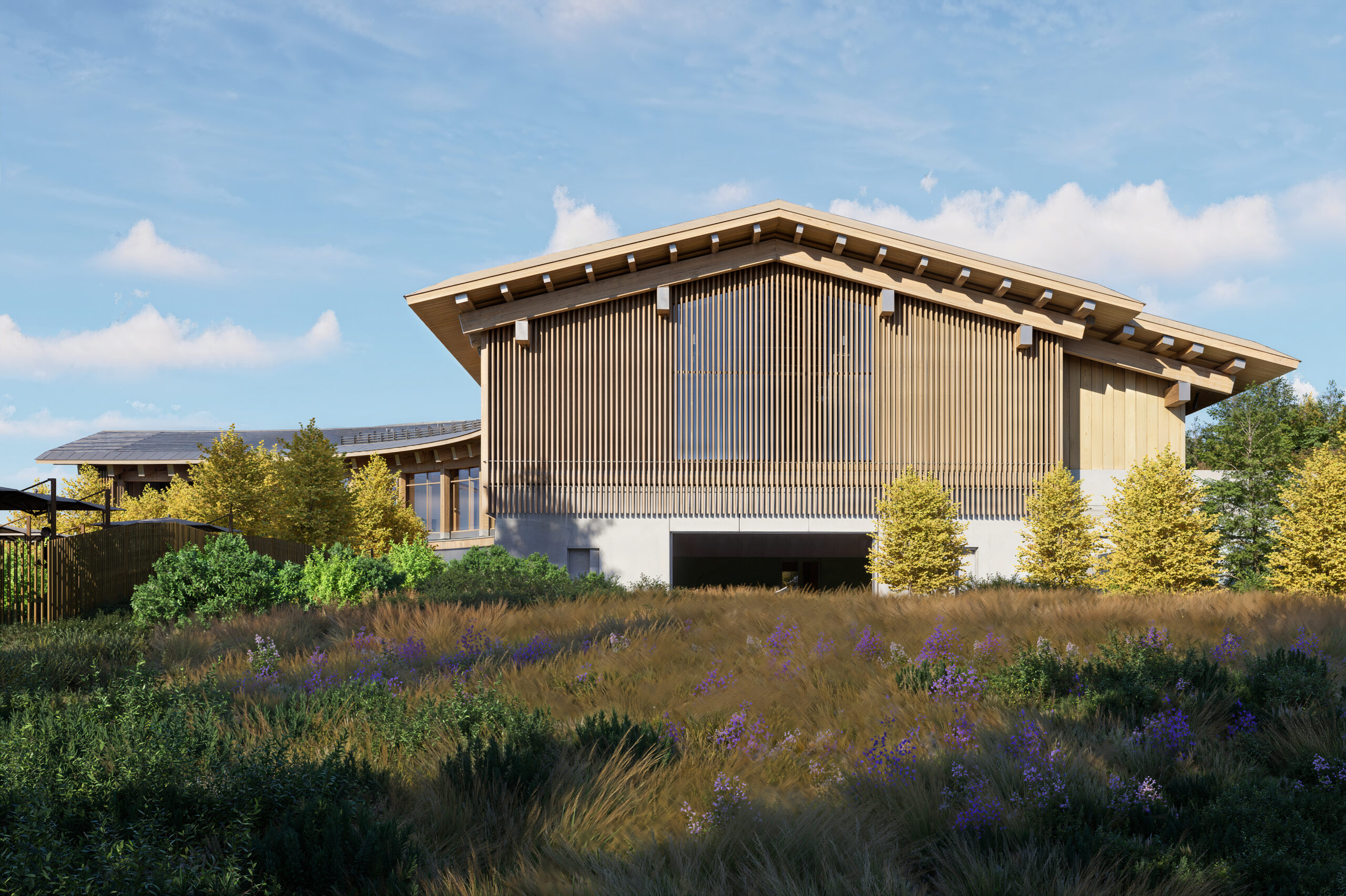
The crown jewel of Powder’s first phase of development is, undeniably, Arclodge—the 73,000-square-foot members’ clubhouse (a rarefied approach to the ski lodge) that solidifies the mountain’s status as an all-season hideaway for private residents. The epicenter of the mountain’s sleek, modernist design ethos, the project is designed by San Francisco architecture firm Hart Howerton—known for working with complex landscapes and its visionary approach to wellness design—and with interiors by New York firm Champalimaud Design. Unsurprisingly, Arclodge (which is scheduled to open in time for the 2028 ski season) will feature a bathhouse replete with thermal pools and spa services, a fully appointed gym and climbing wall, omakase dining, and a range of warm-weather offerings including an outdoor amphitheater, pickleball courts, and an infinity pool. All of this and sweeping mountain views—not to mention a glimpse of the Great Salt Lake—too.





 in your life?
