


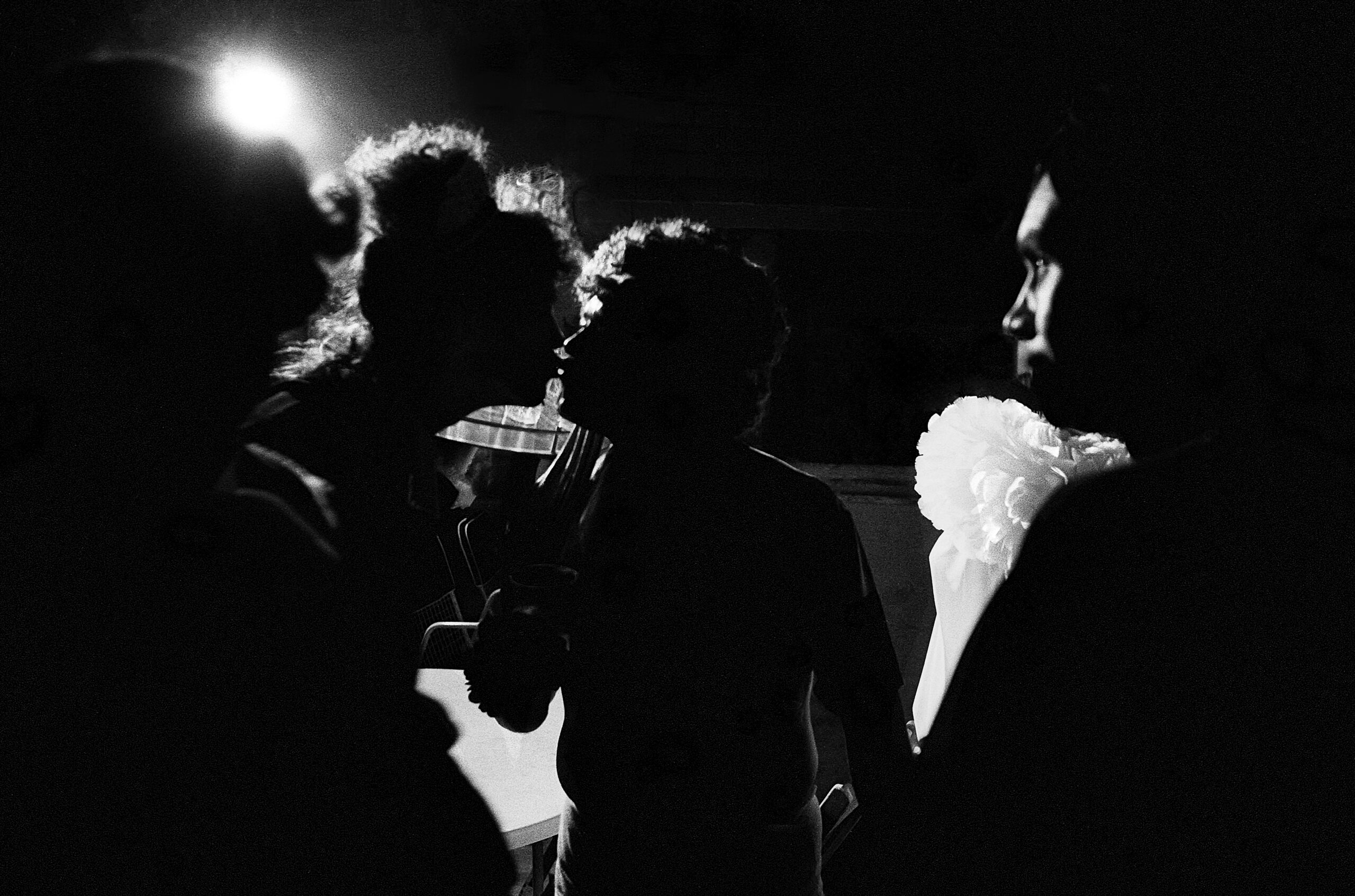
Amelia Abraham’s new photo book, Sex, Clubs, Dissent: Visualising Queer Nightlife, argues that walking into a club, just like being the focus of a camera’s lens, can be a powerful vehicle for feeling seen.
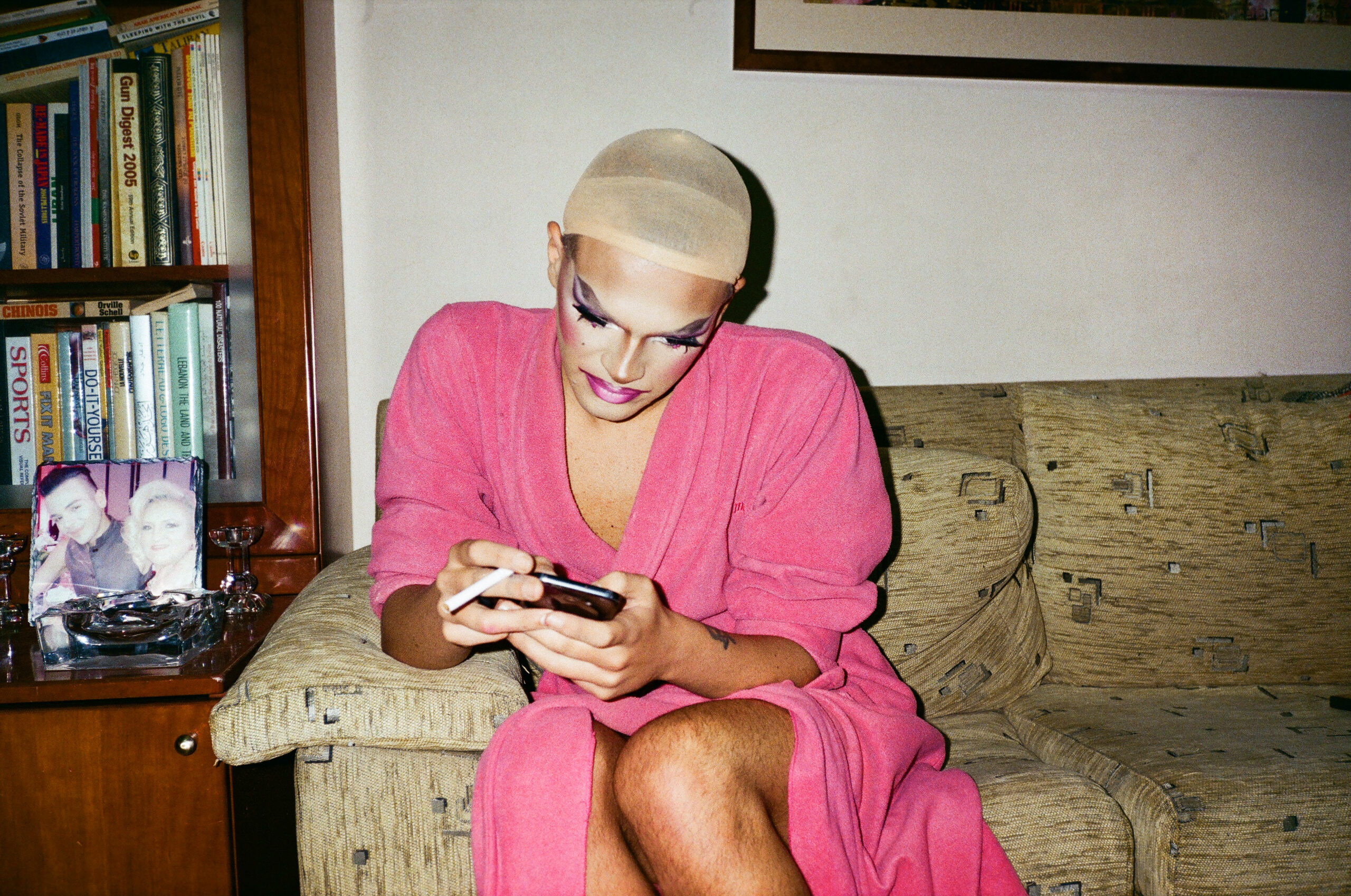
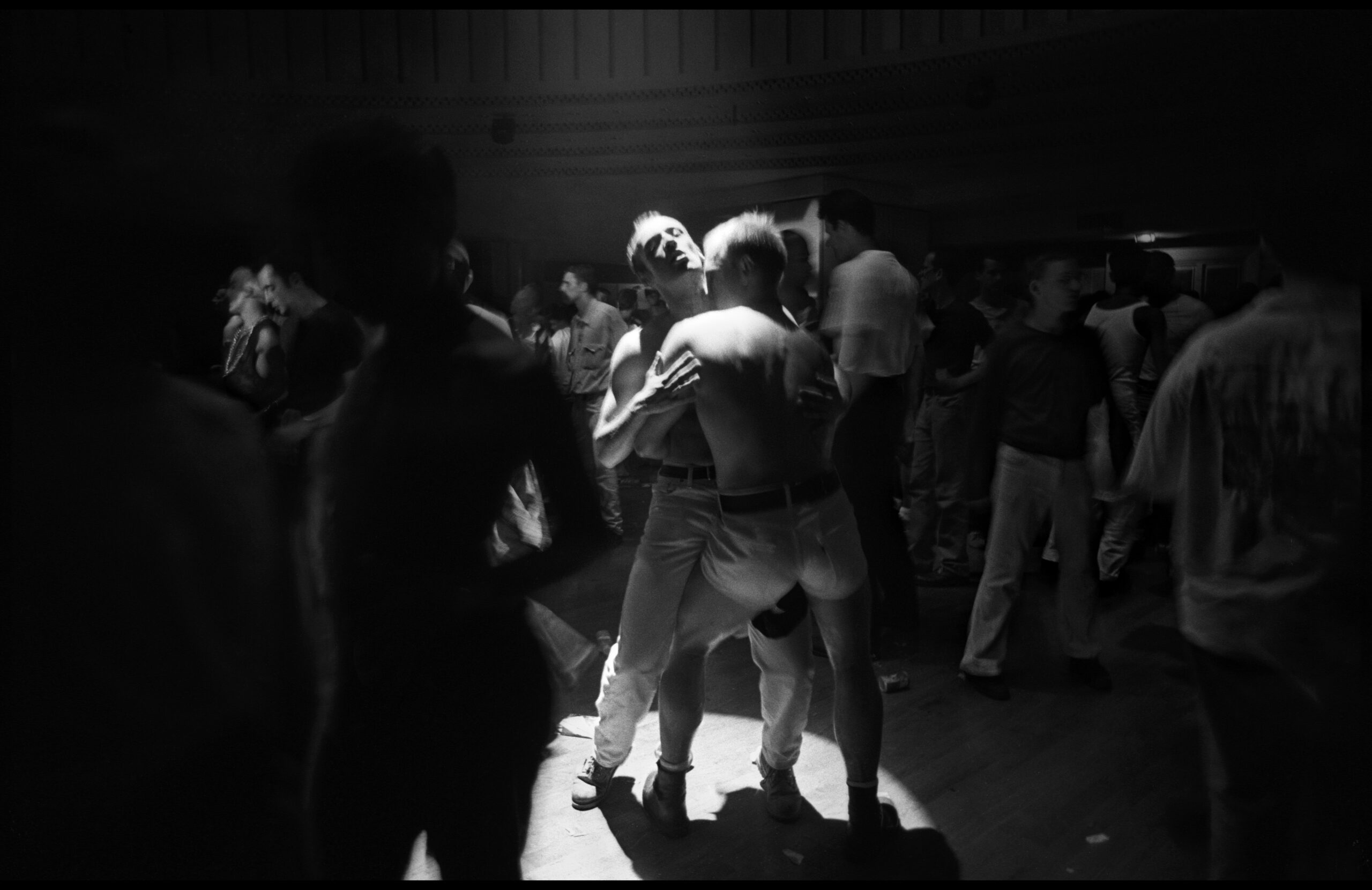
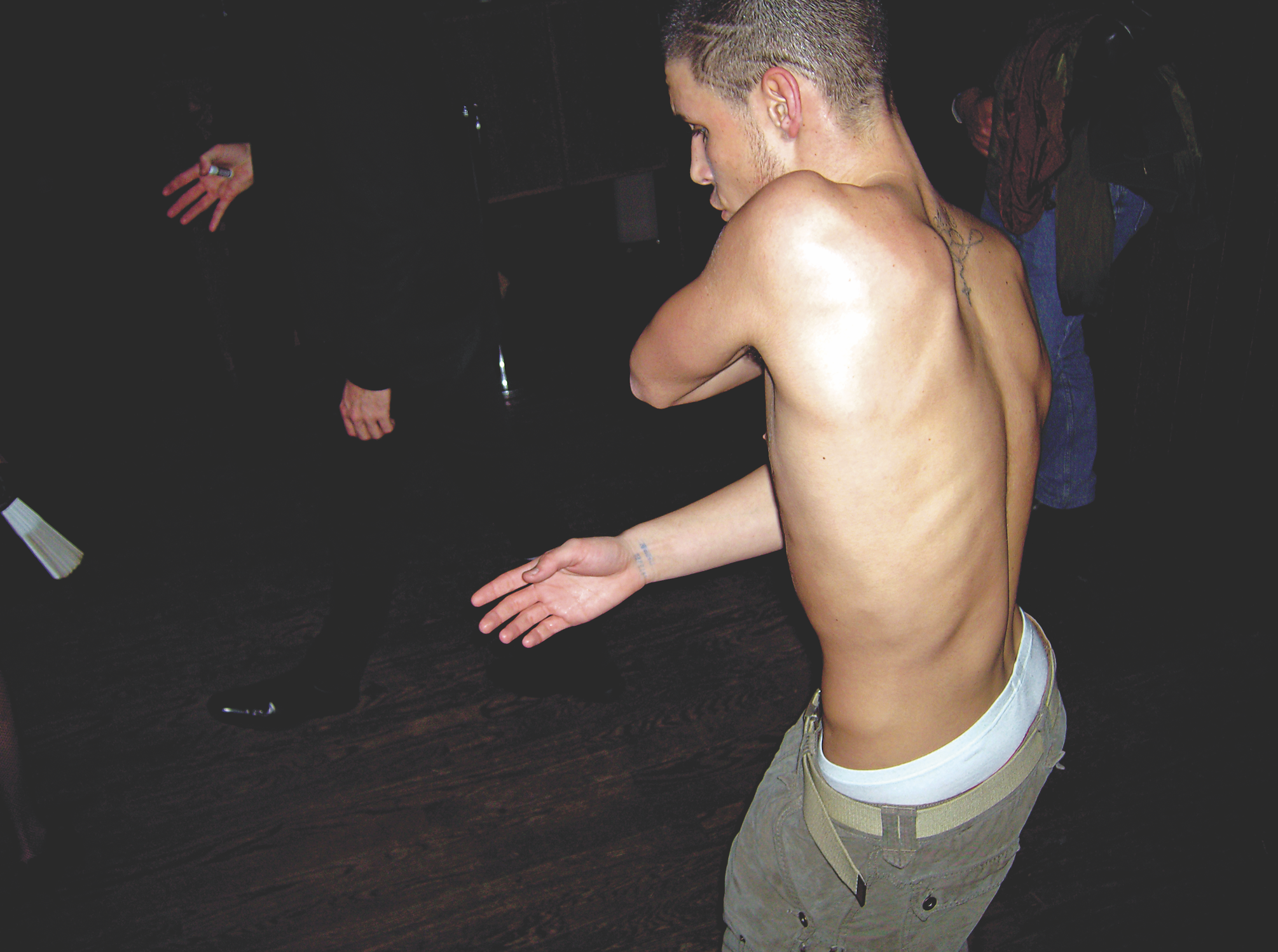
The impressive volume spans decades of nocturnal visual history through the lens of image-makers including Lola Flash, Wolfgang Tillmans, Lyle Ashton Harris, and more, juxtaposed with conversations and essays by the likes of Legacy Russell, McKenzie Wark, and Brontez Purnell. The photos revel in the expansive textures and temporality of a night out—from the frisson of communal ecstasy to the intimate prelude of getting ready. From the sauna to the drag show to the campground, they are a paean to the scrappy yet sexy art of queer place-making and its tenacity against all odds.
Amelia and I first met about seven years ago in London’s Park Square while she was reporting on the grassroots organizations that had come together to protest corporatization and transphobia in the city’s official Pride march. I have followed her work ever since, certain that she has a keen understanding of where the queer movement may—and probably should—go next. In a moment when queer nightlife spaces are not only disappearing but also under violent attack, Sex, Clubs, Dissent arrives as both a celebration and a warning. Pioneering lesbian photographer Susan Kravitz says it best: “Photographing these sacred places carries risk: if we tell the rest of the world about it, might they come?”
Here, Amelia shares a selection of images from the book exclusively with CULTURED and unpacks the precarious beauty of the queer night with me.
The book’s introduction compares queer nightlife to the object and function of the camera. Can you tell me a little about that?
While editing the book I saw a strong parallel between the two. When we walk into a club, it can create the conditions for self-expression or self-reflection in ways that may not be possible in other parts of our lives. It allows us to feel envisioned, to feel seen. Photography, the act of being photographed, can do the same thing. The role of being photographed or taking one’s own photograph, has been so historically important for queer people in terms of self-affirmation and documentation.
Being photographed can create the conditions for experimentation and vectors of fantasy. The camera can act as a stage in its own way. On the flip side, both can be very exposing. There is a certain risk that can come with being out and going into a nightlife environment. That same risk can come with being photographed in the sense of feeling surveilled or being seen or captured in a light that you don’t want to be captured in.
And sometimes there is a true risk in being photographed in a queer nightlife environment.
Exactly, there is also such a long history of criminalization and stigmatization around the gathering queer people. It was extremely important that cameras were not allowed in those spaces. There is that famous photo, The Gay Deceiver by New York crime photographer Weegee, of a person arrested for violating New York’s anti-crossdressing laws in 1939. It is night time and they are stepping out of a paddywagon with this beauty and bold smile. That iconic image speaks to how photography has been used to expose but also empower queer people.
How did you toe that line with the publishing of this book? When you photograph a subculture, does it stop being a subculture?
I don’t think that printing something makes it inherently less subversive. I approached this book from quite a nerdy space in terms of people who are interested in queer photography and queer club culture and those who have contributed to it. While there are some quite well known photographers in the book, there’s also a lot of unknown photographers. I was having a conversation within queer communities and I [commissioned] essays that directly address some of these questions we’re asking.
There is an essay that considers whether, at this point, there is too much art about cruising, for example. Something that came up time and time again was the photographers asking themselves about why they were taking the photo. Does this photo need to exist? At what cost? Is my gaze othering someone? Should that moment remain private? I don’t have the answer to those questions, but I’m interested in work that can make us think about the different ethics or functions of photography.
Throughout the book there are photos that are clearly not in nightclubs. You have the photos at the Stonewall Memorial, a Vaginal Davis performance, and many protests, including an 1994 ACT UP Paris demonstration. Can you tell us about your thinking and inclusion of those?
When I decided to pursue the topic, there were a lot of conversations in the U.K. around the closures of queer nightlife spaces: What are we losing when that happens? That conversation quickly became about venues and fixed spaces. And while that’s really important, it is also important to talk about what we are gaining. What type of interesting spaces are cropping up now that those venues are gone? From the beginning I wanted to think of different iterations of queer nightlife beyond the traditional bar or club.
What guided your editorial direction?
I started to think about it personally. I asked myself what queer nightlife is to me. Does it just exist in the club, or are there other places where I’ve felt the same feelings or experienced the same kinds of things? That might be, for instance, when I’m having dinner at a friend’s house and everyone there is queer and we just, for some reason, start having a pageant after we’ve eaten and never end up going to the club. Is that queer nightlife? Or going to a vigil and being in solidarity with queer people and then ending up in a straight pub commiserating together?
Quite a few of these images take place in between those spaces, on the street.
I thought a lot about the importance of street life. One of the people involved in the Archivo de la Memoria Trans Argentina explained how important it is for trans archives to not just come from perspectives within academia, but to encompass the knowledge and experience of the streets. Queer nightlife is a mode through which we gain that knowledge whether by choice or through force. A lot of the people in the book may have experienced homelessness or done street sex work or may be working in context that involved them in street lights. I wanted to show the street as a positive space for queer coming together.
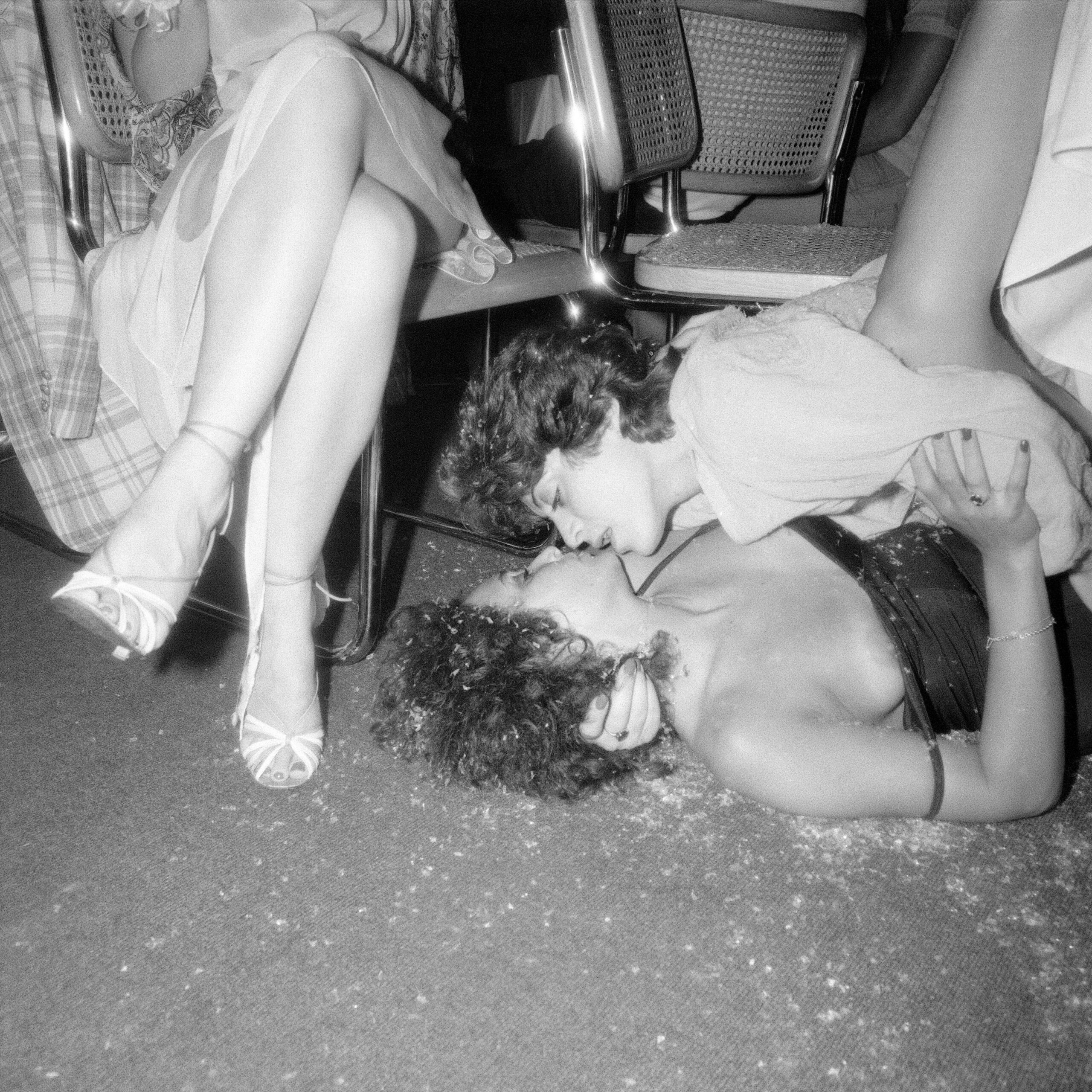
This Meryl Meisler photo on the cover is amazing. Can you tell me every single thing about it?
You know what? I actually don’t know absolutely loads about it. I know that Meryl photographed gay life and the disco era of New York and that it is from the 1970s. But I can tell you why I loved it: It is a real kiss between two women and I just love that they’re on the floor. I think that sometimes gay men get to claim a lot of the unruliness within queer imagery, specifically around nightlife. So I was really actively looking for photos that represented my experience, which can be messy or sexy or spontaneous. We don’t see queer women pictured in those contexts enough. We thought about different cover photos, but in the end this seemed like the obvious choice. The cover also makes it clear from the outset that there are a lot of female and femme photographers and subjects in this book.
When thinking of queer nightlife photography, I immediately thought of the photo of the bus boy at Studio 54, who is wearing mini shorts, no shirt, a white tie tuxedo jacket with tails and a top hat. Queer nightlife photography can definitely feel overwhelmed with chiseled males bodies. Was it hard to seek out photos of women and femmes? Or if everyone just tried for one single second, they could have done it as well?
If everyone tried for one second, they could have done it. But also, these things came through relationships. If you’re lucky enough to have made a relationship with a photographer over the years, then they’re more likely to take the time to go into their archive and really have a look for something that’s interesting to you. And I was trying to do that rather than just include images that come up on the first Google search. I wanted images people hadn’t seen before, but cost was also a real concern. You are paying for every image. Those well-known images are very expensive.
The book came out in the U.K. first. What has the reception been like?
Some of the gays have been upset that there’s a hole on the front cover because it makes it harder to do drugs off the book. To that, I say you can do them off the back cover. Otherwise, really great reception.
More of our favorite stories from CULTURED
At 101, the Chinese American Artist Ce Roser Is Finally Getting Her Big Break
Yes, Kane Parsons Directed ‘Backrooms.’ Here’s How It All Went Down.
The Gayest Places in New York, According to Queer Culturati
Director Boots Riley and George Clinton Disagree About the Future of A.I.
The 8 Must-See Movies at Tribeca This June, According to the Ultimate Insider
Sign up for our newsletter here to get these stories direct to your inbox.






 in your life?
