


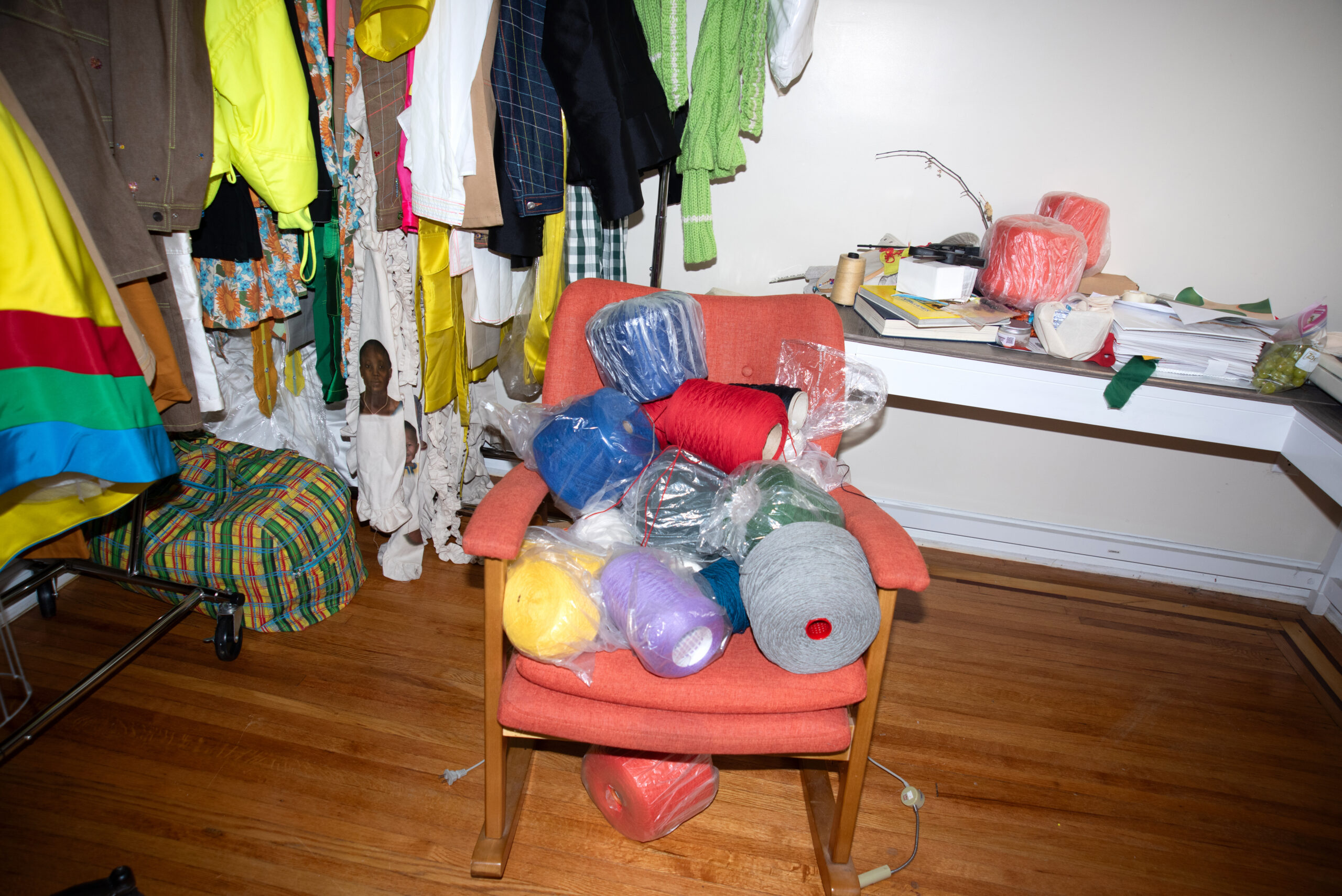
The number one driver of luxury brand desirability is now emotional connection. This finding, from the latest Business of Fashion and McKinsey & Company report, puts independent designers, who offer an uncompromising vision that has become as fashionable as all-black or cashmere, in a unique position in a market projected to grow again this year after a lengthy downturn.
Today’s politically conscious consumer base understands the difference between quality and quantity, sustainable design and greenwashing, independence and six layers of conglomeration. But who’s thinking about the sustainability of designers themselves? That kind of output would challenge even the most ambitious, idealism-doped 20-something, especially with the costs of living, production, and labor all on the rise. Slimmed-down operations that balance the budget leave designers working as creative lead, business manager, and full-time influencer all at once.
The independent designer could be in the perfect position to beat out legacy houses, if only there were 48 hours in the day.
To figure out how they’re managing to squeeze everything into 24, we sat down with three New York-based practitioners—Jacques Agbobly, Connor McKnight, and Gabe Gordon—who have taken three different approaches to stitching the Gordian Knot. Agbobly, whose saturated, sculptural collections draw from their Togolese heritage and diasporic memories, is pursuing an alternative stream of income outside of design—and outside the city where their namesake brand is based. Gordon has positioned his label as something of an incubator, building theatrical, nostalgia-drenched collections that prioritize textile development. McKnight, who coaxes sophistication out of lived-in details, is playing the long game, running his label out of his Brooklyn apartment.
Each is the beating heart and the public face of an independent label that is braving the wilds of New York’s fashion ecosystem, where punishing overhead, fickle tastes, and the constant demand for novelty require endless improvisation and conviction. For the Cult of Personality issue, we spoke with the trio about how they walk that tightrope season after season.
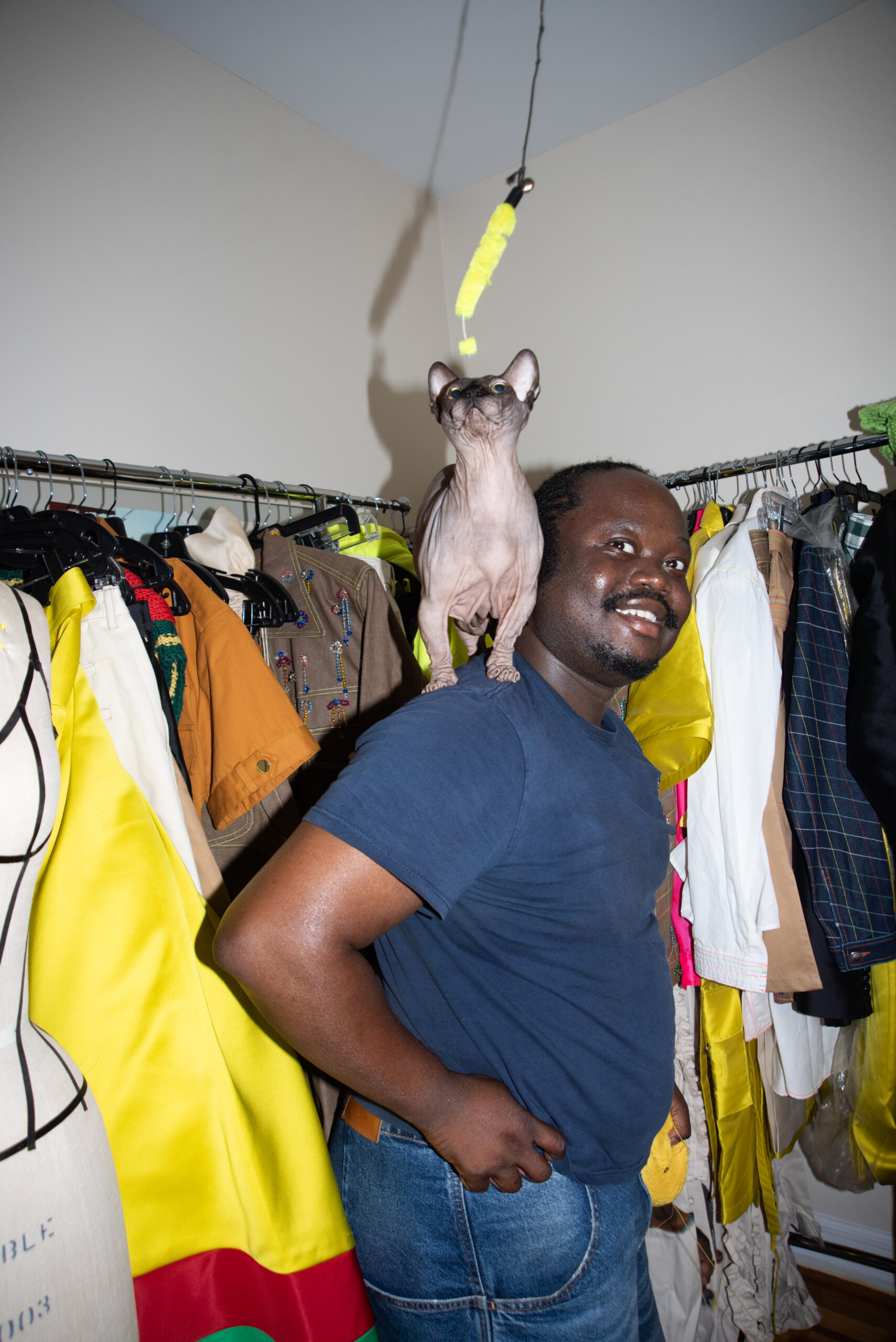
Jacques Agbobly, 28
Born in Lomé, Togo, and raised in Chicago, Jacques Agbobly launched their Brooklyn-based studio as Black Boy Knits in 2020 and rechristened it under their own surname, Agbobly, in 2023. A Parsons graduate, 2022 CFDA/Vogue Fashion Fund finalist, and recipient of the 2026 Vilcek Prize for Creative Promise in Fashion and Design, Agbobly threads West African textile and handcraft traditions through gender-expansive silhouettes. Their most recent answer to the field’s inherent precarity was to accept a tenure-track teaching job—alongside their continued work on Agbobly—even if it means relocating.
What’s your studio rent?
Around $3,000 a month. It’s kind of crazy.
What’s a recent crossroads you faced with your business? What did you decide to do?
I recently accepted a full-time position as an assistant professor of fashion design at the School of the Art Institute of Chicago. Accepting it means moving to Chicago, at least part-time, but it creates a level of stability. One requirement of the position is that I continue my practice, and opportunities are built into the contract that will allow me to keep doing my work while teaching.
When you budget for your brand, what do you splurge on?
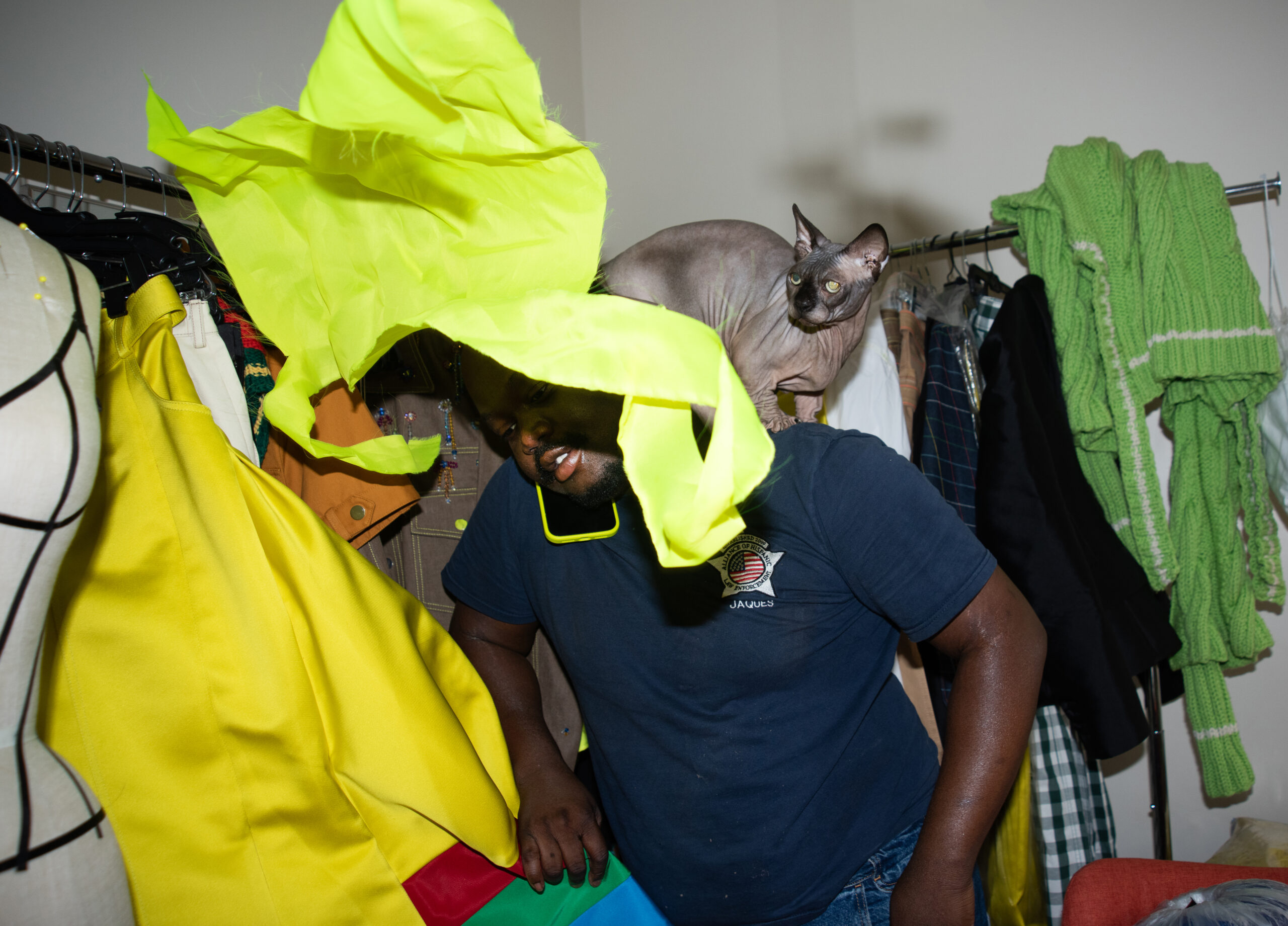
My team and I have a running joke that the cost of something comes down to ruffles. The more ruffles you add, the more expensive it becomes. I try not to let anything halt my creativity. The clothing is the most important thing to me, so I spare no expense on craftsmanship, materials, or the people making it. If the clothing doesn’t look or feel good, you don’t have anything to stand on.
How do you decide what your clothes should cost?
The price needs to reflect both the technical costs and my belief in the work. You begin with COGS (the cost of goods sold), pricing pieces according to the materials, design, and labor that go into them. Then, you have to consider the brands you want to sit next to, which influences your price point and how people perceive you. I never want to price something very low when we have spent an enormous amount of time making it.
What practical advice do you wish someone had given you when you started?
Invest in someone who can function as a business partner. I love discussing business, but I do not come from that background. I now have people in my life who can fill that role, but in the beginning, you have only yourself and your creativity. There is no one to help you build a structure to protect that creativity.
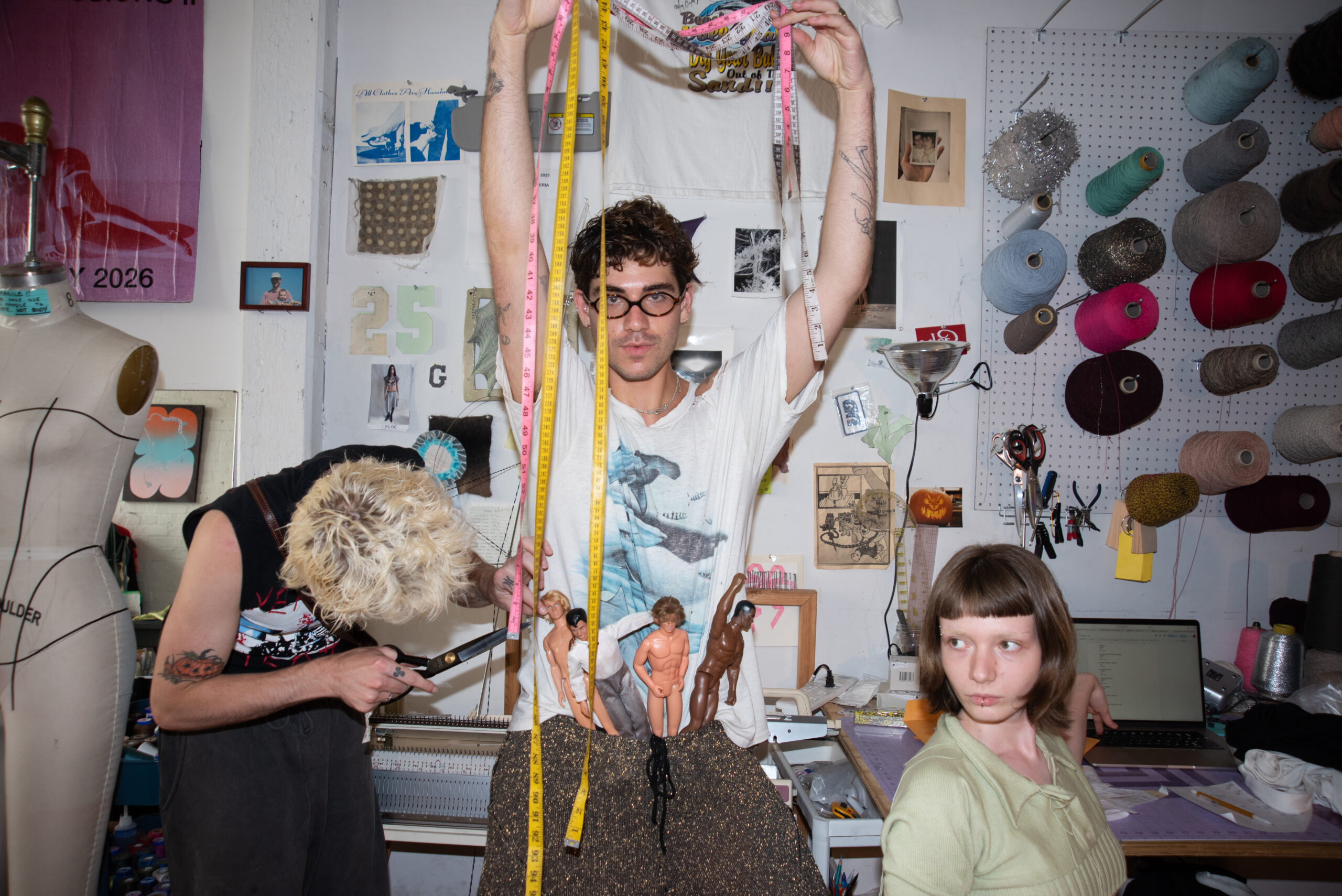
Gabe Gordon, 27
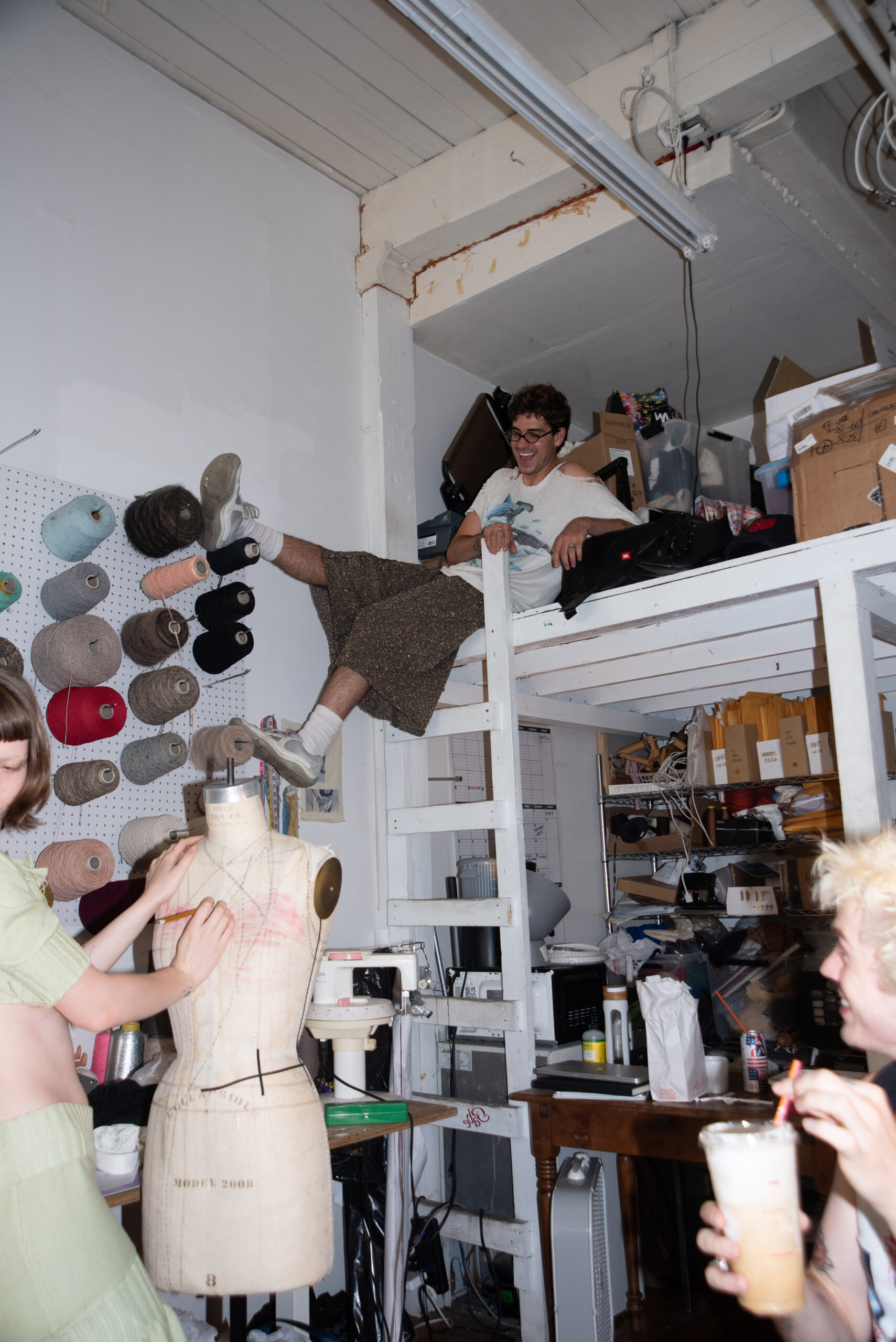
Gabe Gordon founded his namesake label in 2019 while studying textile design at RISD. The Ridgefield, Connecticut, native now designs alongside his husband, Timothy Gibbons. The pair were named finalists for the 2025 CFDA/Vogue Fashion Fund after building a following around their storybook knitwear, hand-dyed and hand-loomed in Brooklyn. Gordon’s brand endures through research and resourcefulness: investing in developing new textiles and reusing them across collections.
What’s your studio rent?
That’s between me and my hubby.
What’s a recent crossroads you faced with your business? What did you decide to do?
I’m always told that you need to enter every competition and apply for all kinds of grants. I applied for a FedEx small-business grant, which I didn’t get, and a Brooklyn Brewery small-business grant. You have to keep searching. There are a lot of resources out there, but these prizes are very difficult to win.
When you budget for your brand, what do you splurge on?
I’ll always spend money on the product itself: better yarns, better factories, and giving ourselves the time to figure out new techniques and solve problems in the studio. That is where I think investment is worthwhile. One way we save money, which has also become part of our design process, is by reusing yarns and materials in our one-off runway pieces. Each season carries part of the last one with it; it feels more sustainable and creates continuity between collections.
How do you decide what your clothes should cost?
It’s something I am still trying to figure out. Obviously, we have to cover materials, labor, and development, but I also think a lot about who is buying the clothes. I never want pricing to feel disconnected from the work that went into making something. We want to be fair to both the customer and the people we work with.
What practical advice do you wish someone had given you when you started?
Document everything. Every knitted swatch, dye recipe, pattern, sketch, and source of inspiration. I’m something of a hoarder, but there are still so many important pieces of the brand’s development that I didn’t hold onto. You always think you’ll remember how you made something, but you rarely do.
Connor McKnight, 33
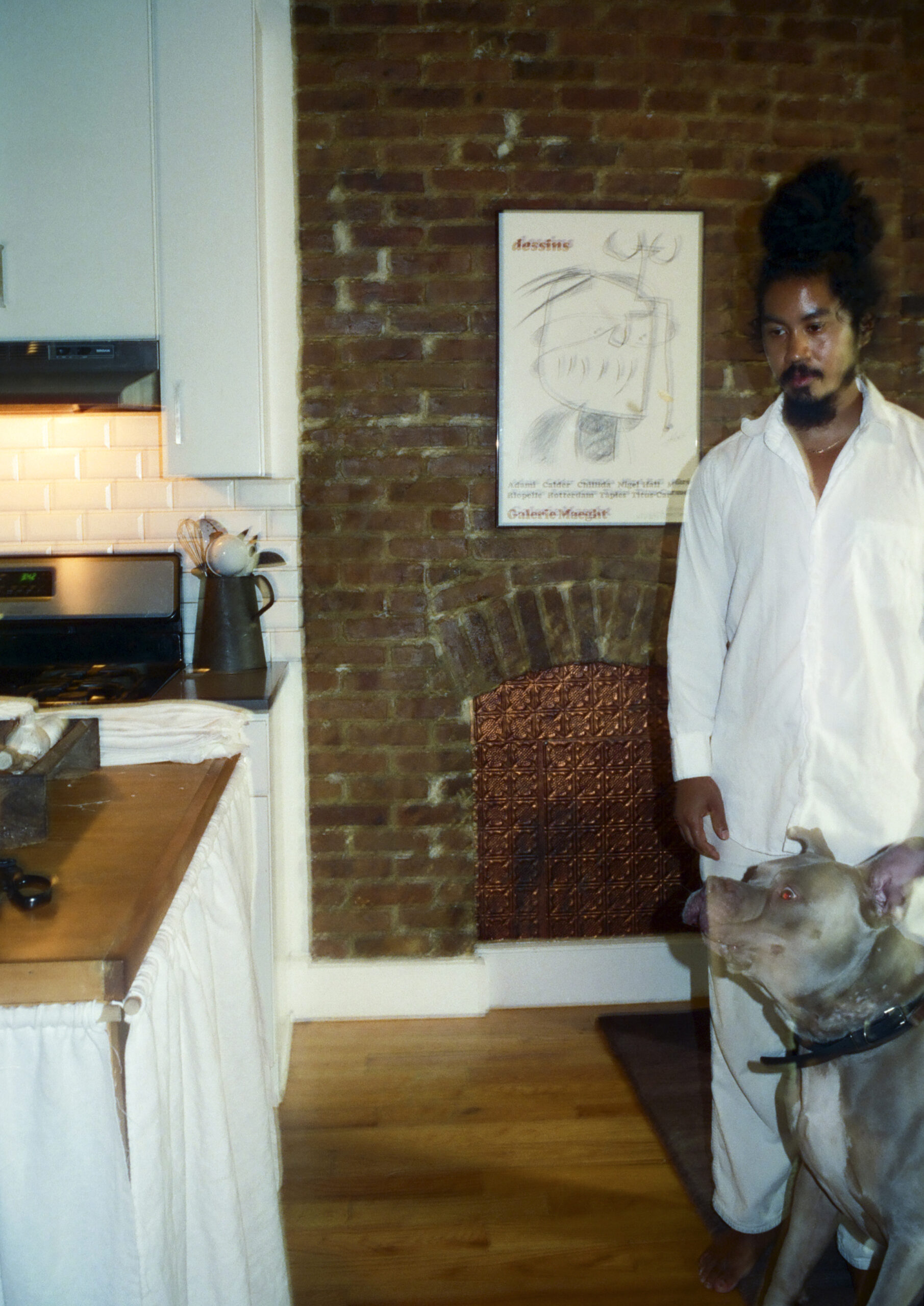
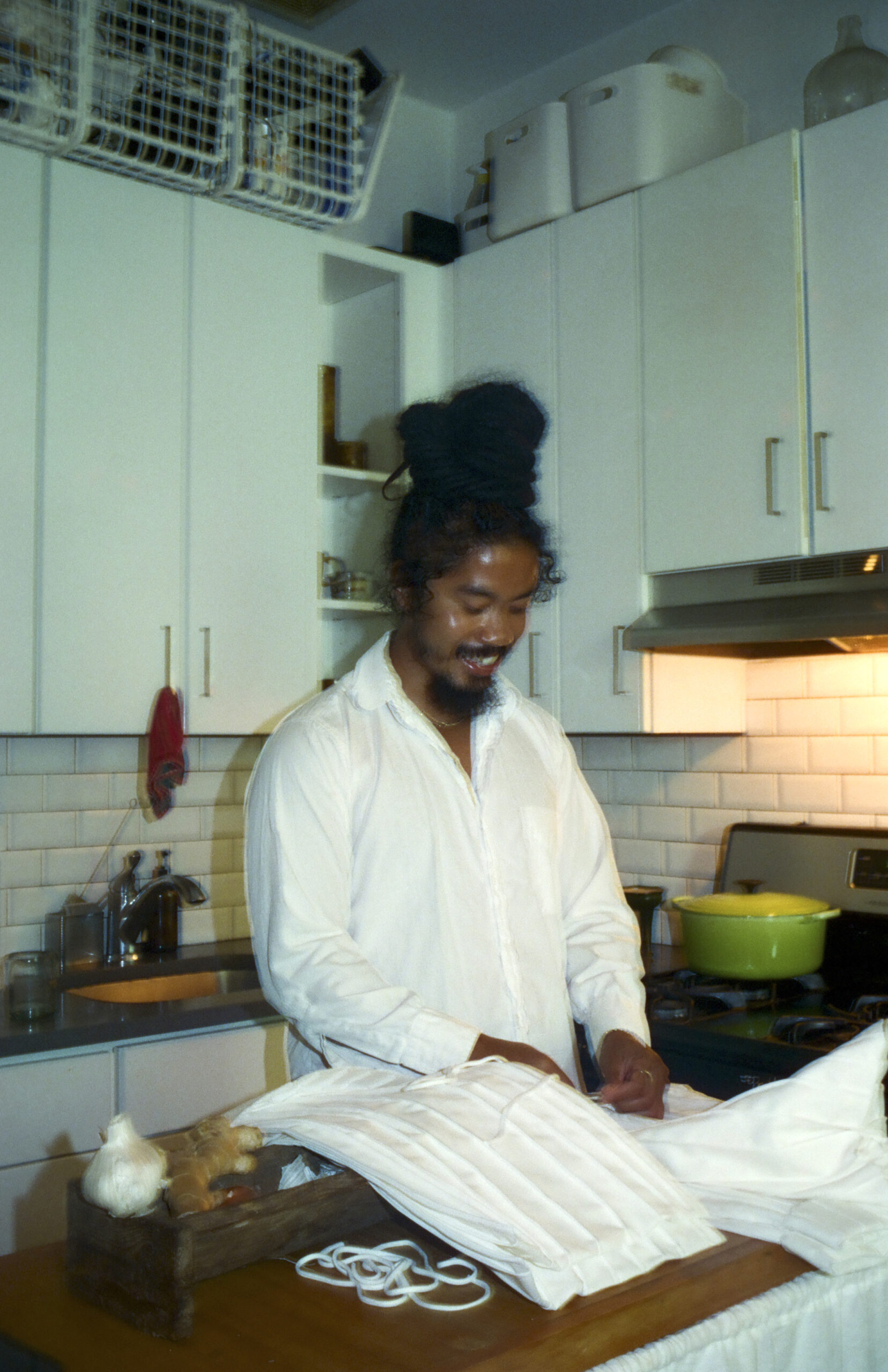
Raised outside Washington, DC, Connor McKnight worked at Kith and Bode before launching his namesake label in Brooklyn in 2020. A 2024 CFDA/Vogue Fashion Fund finalist and CFDA Emerging Designer of the Year nominee, McKnight pairs restrained tailoring with relaxed silhouettes and a quotidian sense of luxury. The designer approaches the business side with caution, viewing his label’s early years as a slow accumulation of resources and support rather than a mad dash toward profitability.
What’s your studio rent?
$3,500 per month. I currently live and work out of my apartment, so that includes my living expenses. When I looked at studios, most were either not nice enough to show luxury clothing in or far too expensive.
When you budget for your brand, what do you splurge on?
The things I splurge on usually have to do with how I get ideas, or the quality of the ideas themselves. Books, magazines, and good reference pieces are hard for me to pass up. And buying better fabric is important—quality is often a brand’s first impression. I try not to spend too much on showing the brand. Making good things already costs so much that we are often in a deficit by the time the product is finished. Elaborate shoots and presentations are fun, but if the collection is good, show it clearly—like a gallery showing art on white walls.
How do you decide what your clothes should cost?
I start with what it would cost to wholesale each piece, then cost to wholesale and from wholesale to retail. Most companies multiply by 2.5 for each markup, though it varies depending on where and to whom you are selling. Pricing is difficult because the result is unaffordable for many people. But if you want to sell in stores and at least break even, you have to do it.
What’s a recent crossroads you faced with your business? What did you decide to do?
I’ve worked with a few investors, applied for loans, and gotten support from family. Occasionally, I’ve received sponsorships or done freelance work for bigger companies to pay my bills. Almost everyone I know with a brand has done some combination of these things to get by. It’s all valid until your business is earning enough to support itself.
How do you keep your head in this industry?
There’s so much pressure placed on immediacy, but I think if you’re talented, work hard, and remain persistent, that’s enough. When I see someone let stress get the best of them, it usually has to do with a sense of what they think they deserve or what they feel should be happening to them. It may sound cliché, but I try to focus on what’s within my control and how I can get better each day. I believe the rest will work itself out.
What practical advice do you wish someone had given you when you started?
Ask for and do more favors. Fashion is one of the most expensive creative industries, and we need to be more willing to help each other. When you love and appreciate what someone is making, helping that work continue is an act of resilience.
More of our favorite stories from CULTURED
Everything You Need to Have On Your Cultural Calendar for Fall 2026
How Cow’s Milk and Missing Checks Brought Down Brooklyn’s Burgeoning Vegan Empire
Which Film Has the Best Fashion of All Time? We Asked Our Editors to Weigh In.
America’s College Dream Is Dying. Why Is the Campus Novel More Tempting Than Ever?
What Does It Really Cost to Be an Artist in New York? Here Are the Numbers.
Sign up for our newsletter here to get these stories direct to your inbox.







 in your life?
